Repair shops · Installer networks · Brake-service businesses

Brake Parts Solutions for Repair Shops

Fewer Wrong Parts. Fewer Comebacks. Faster Brake Problem Solving.

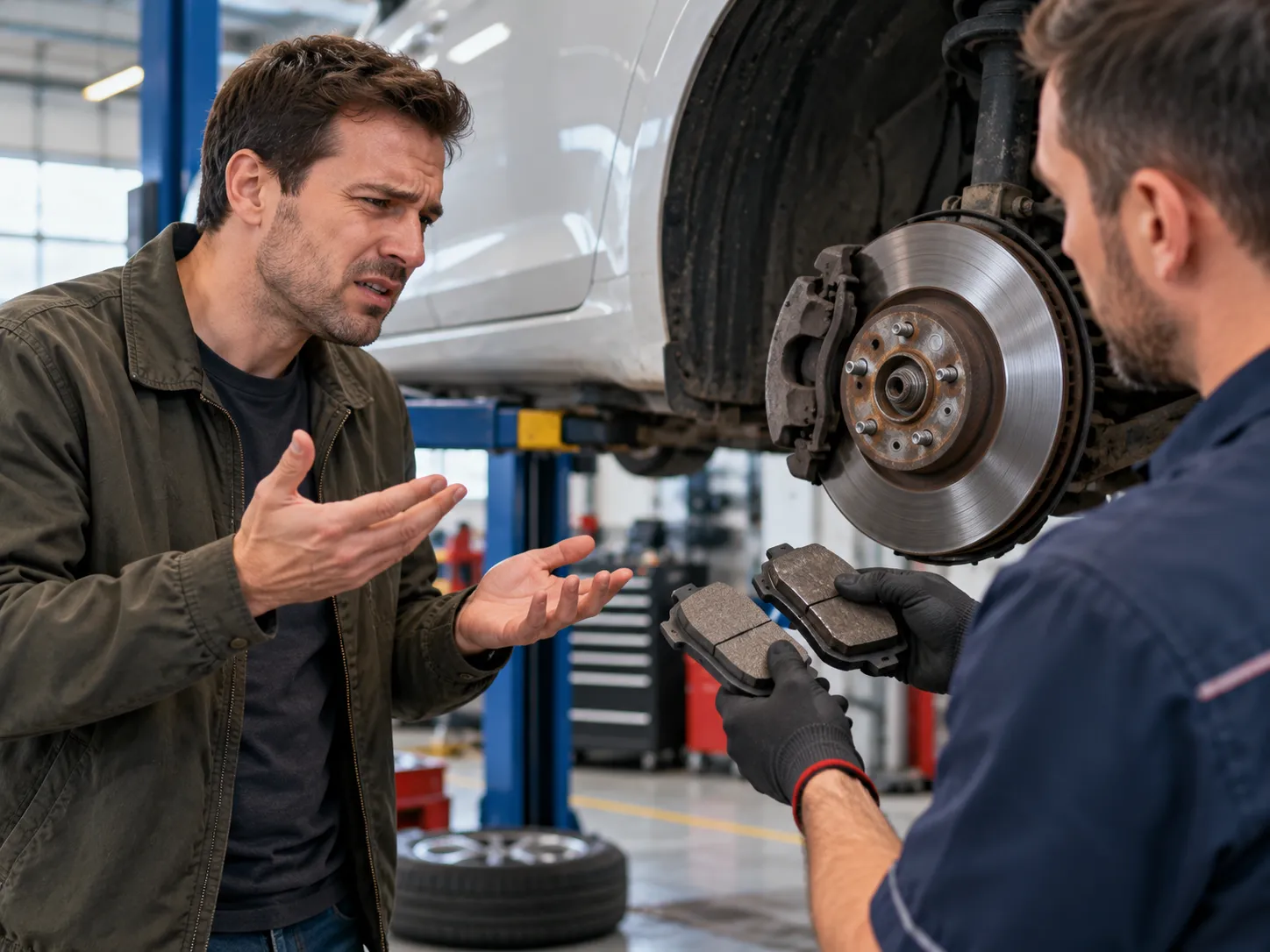
A brake repair becomes expensive when the problem is not solved the first time.

The wrong brake pad keeps the vehicle on the lift. A new rotor does not stop the vibration. New brake shoes become contaminated again. A customer returns because the same noise is still there.

For professional repair shops, the cost is not only the replacement part.

It is technician time, lift time, repeated diagnosis, delayed vehicle delivery and customer confidence.

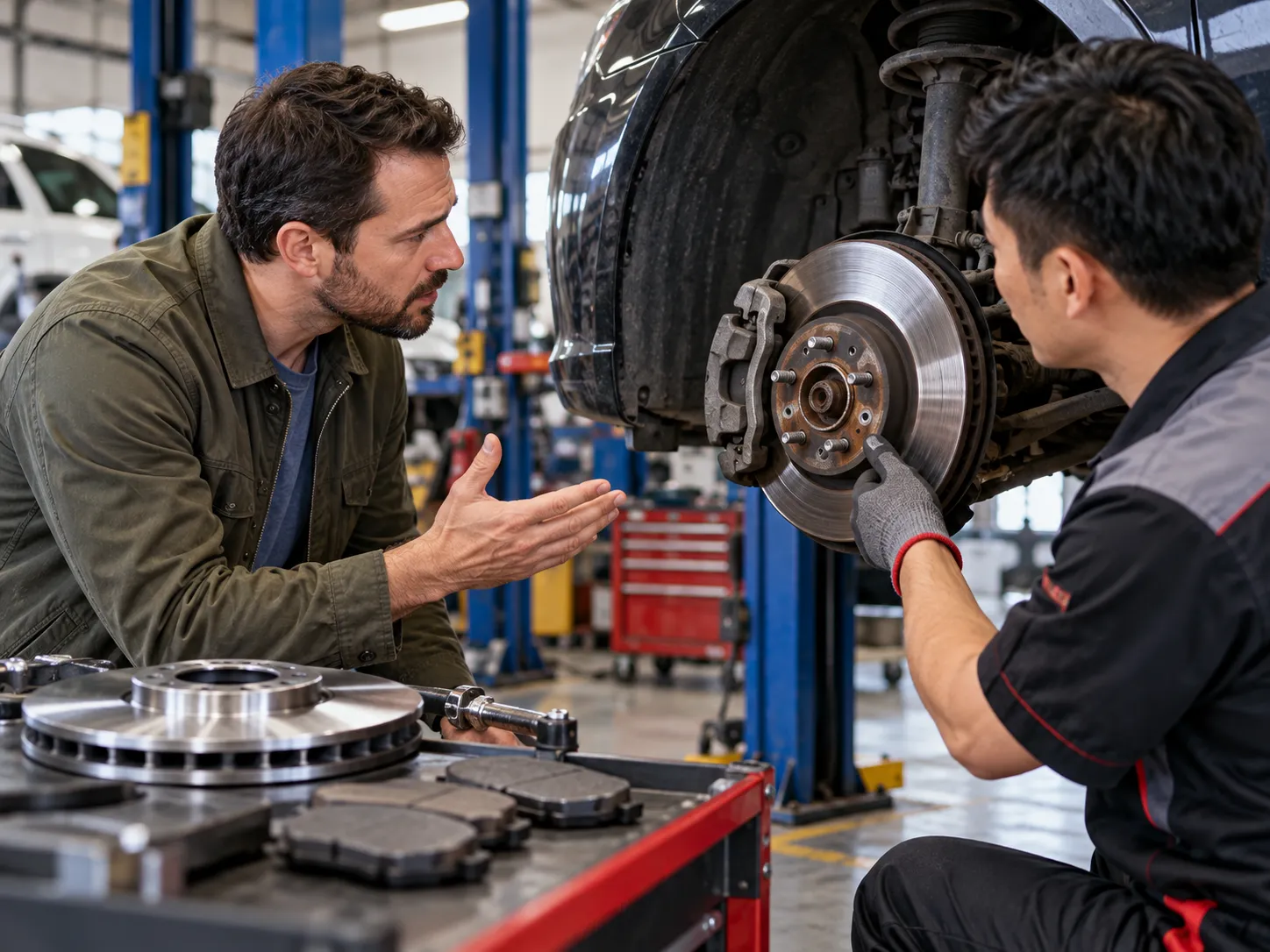
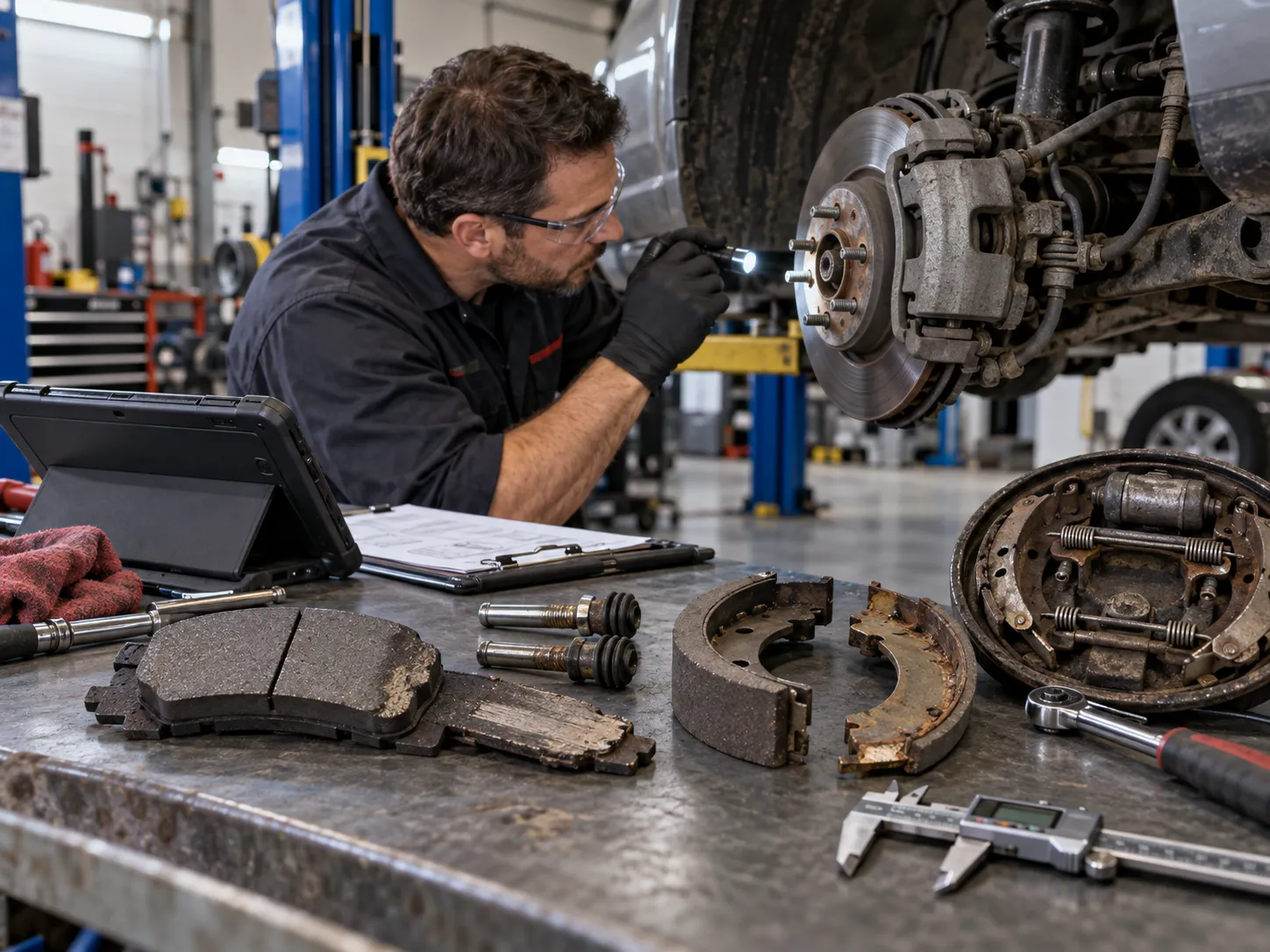
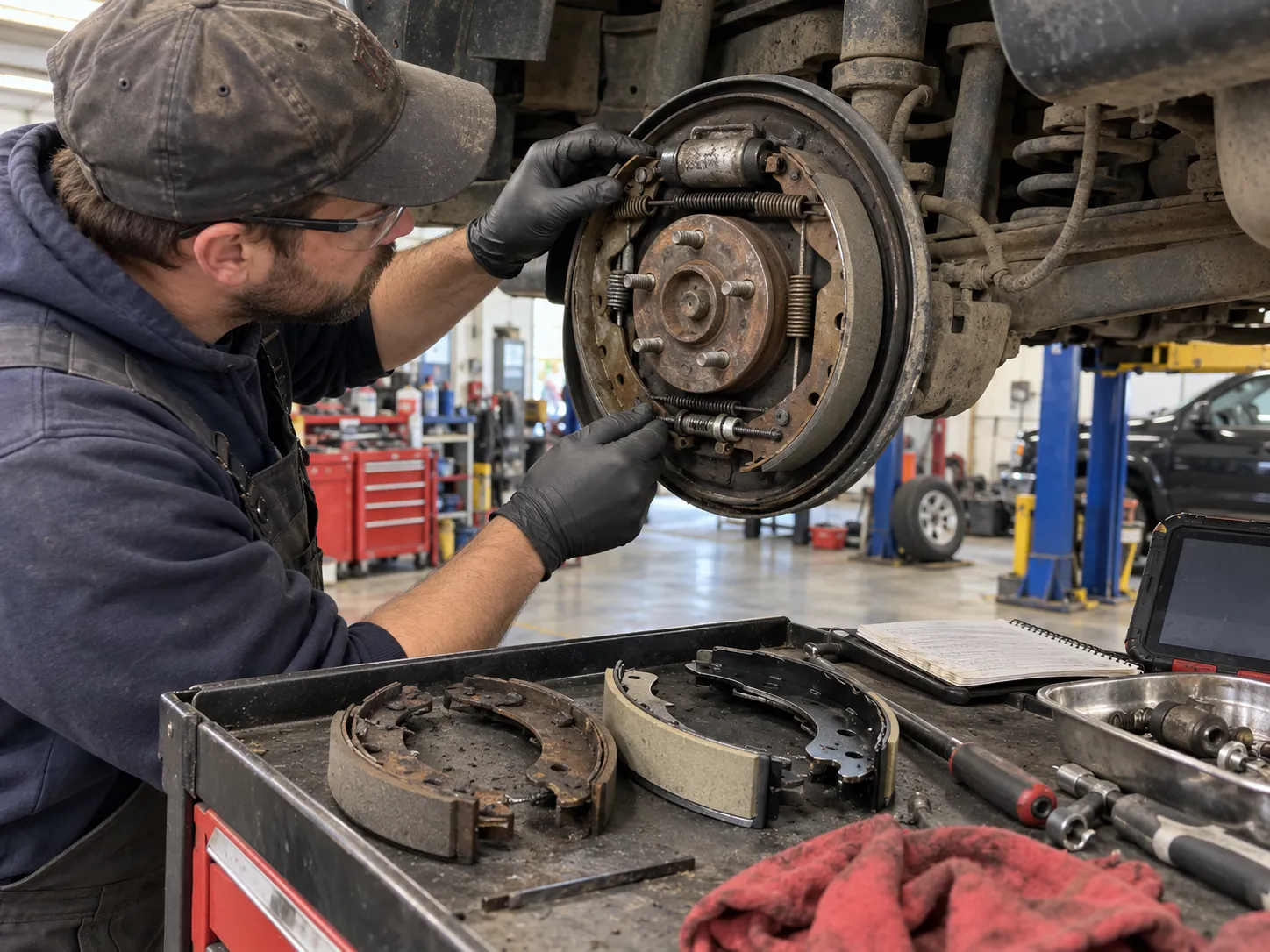
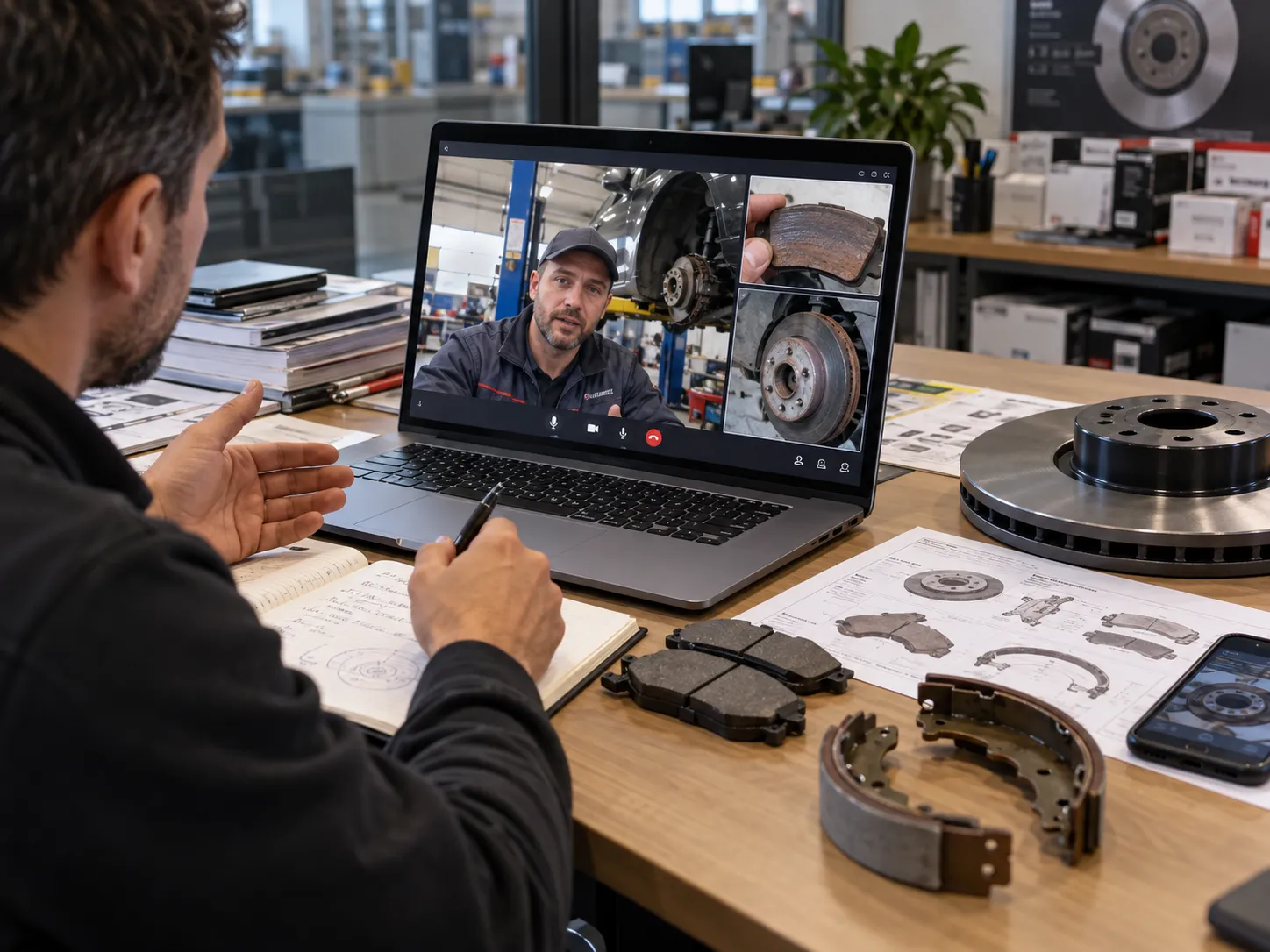
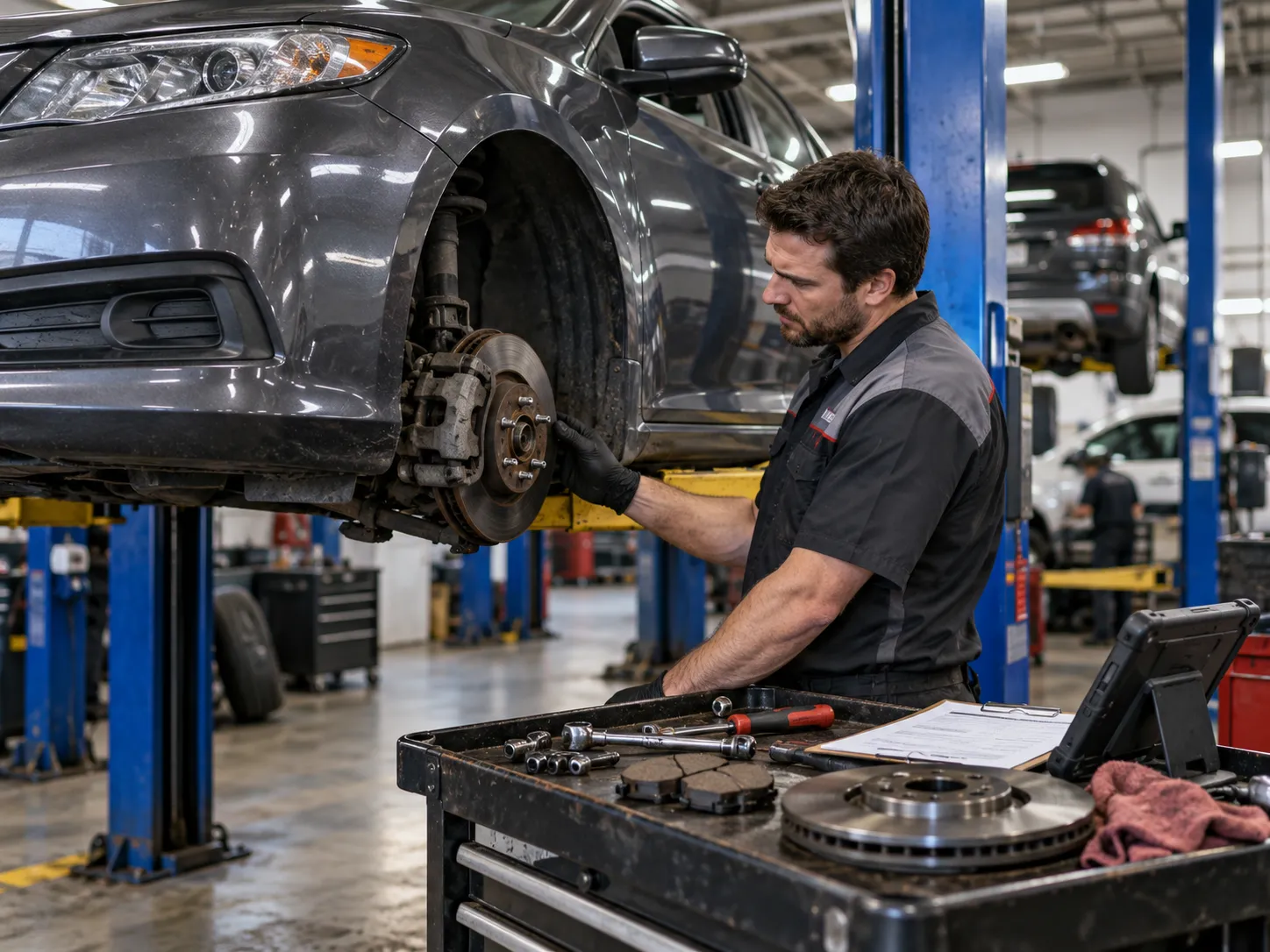
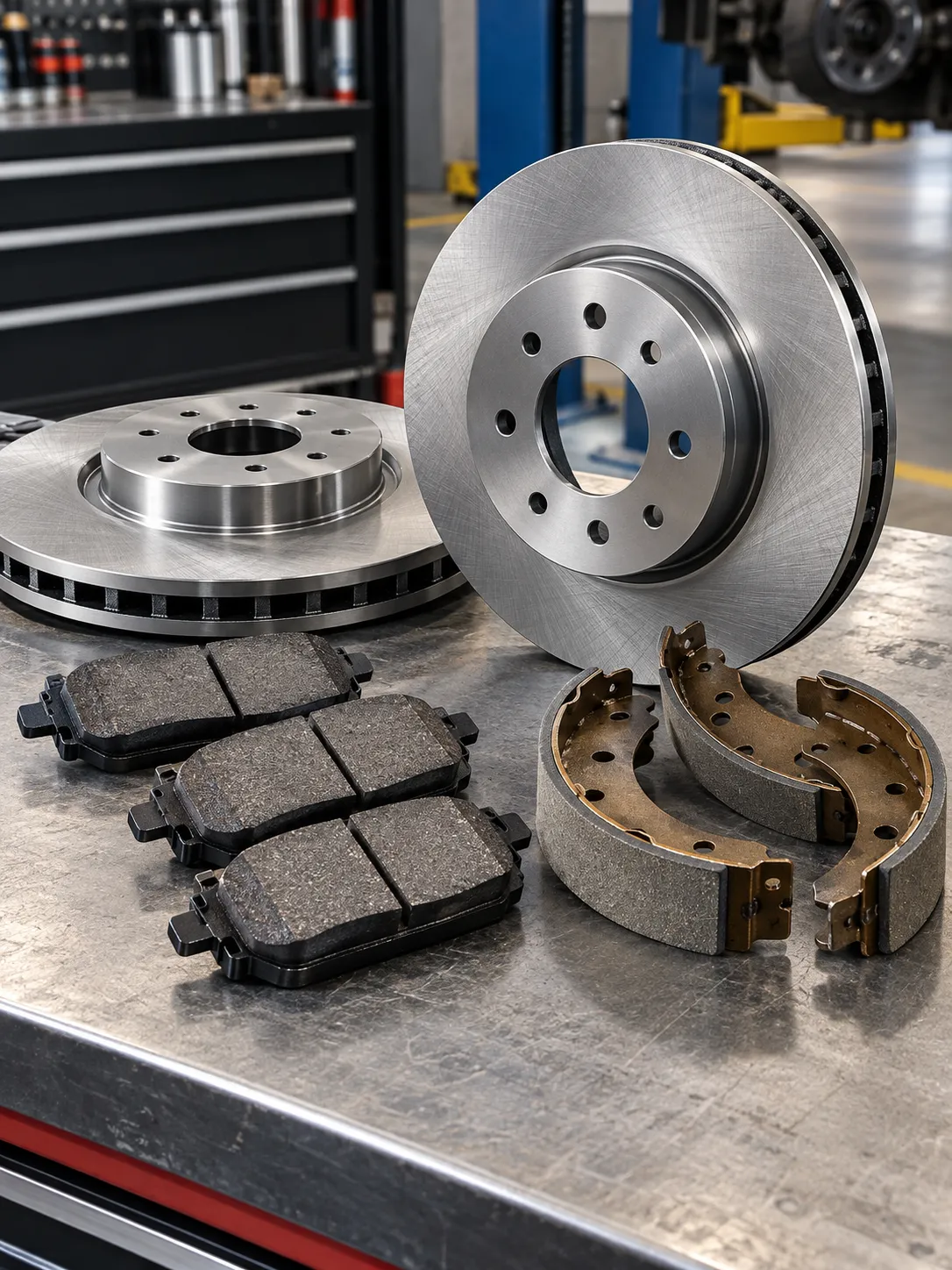
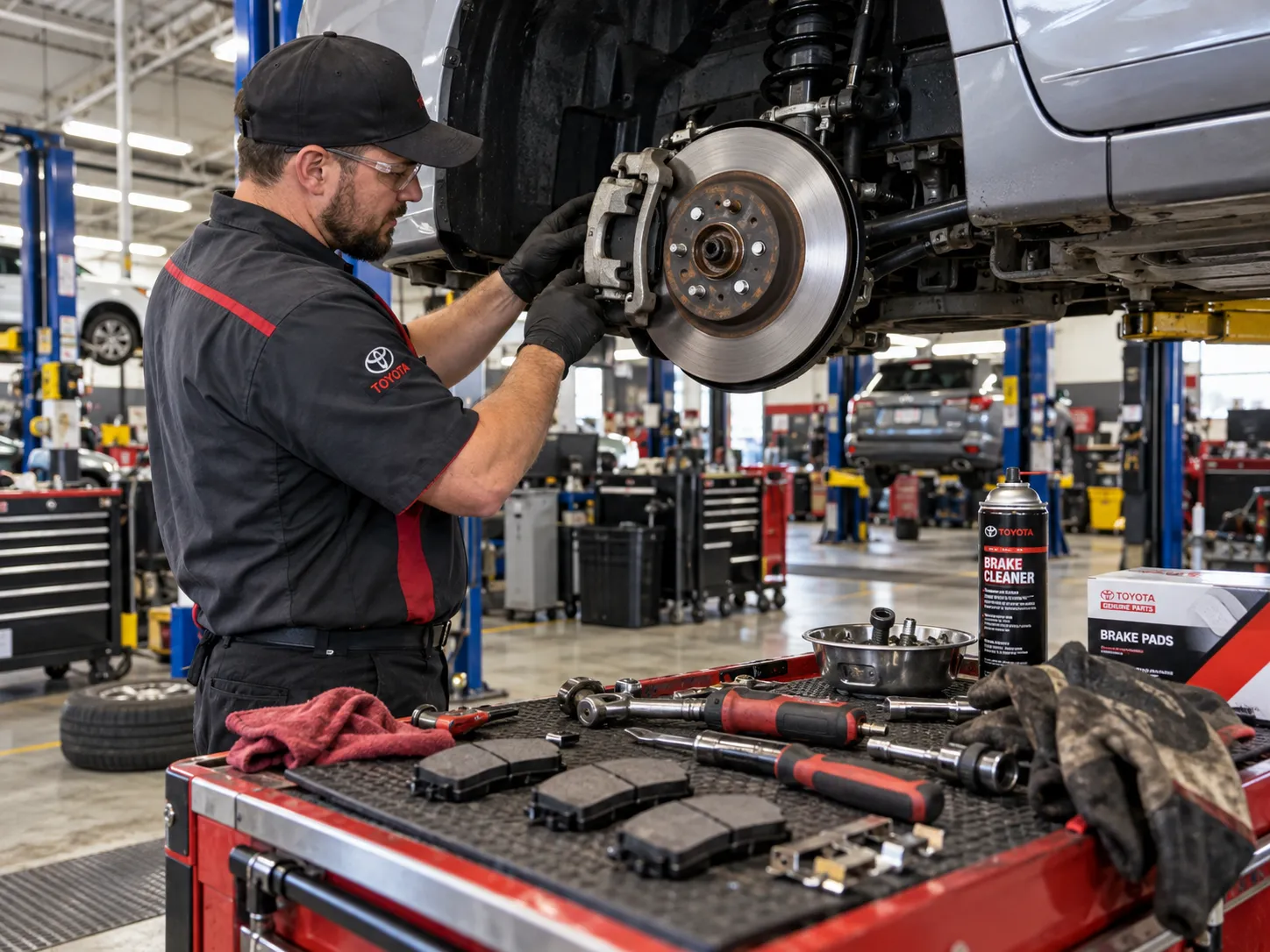
Zhenlong supports repair shops and installer networks with brake pads, brake rotors and brake shoes, together with product identification, technical information, quality evidence and repeat-order support.
  1. 01Technician time
  2. 02Lift time
  3. 03Repeated diagnosis
  4. 04Delayed vehicle delivery
  5. 05Customer confidence

Our role is not simply to ship another brake component.

Our goal is to help workshops reduce avoidable brake-service problems before and after installation.

The real problems behind brake jobs

The Problems Repair Shops Face Every Day

Brake-service problems often look simple at first.

The customer hears a noise, feels a vibration or sees a warning that the brakes are worn.

But after the vehicle enters the workshop, the technician may discover that the actual problem involves fitment, installation, another brake-system component or the condition of the old parts.

These are some of the problems our repair-shop customers need to solve.

Wrong pad comparison

01

The Part Does Not Fit

The product looks correct until installation begins.

A similar brake component may still have a different:

  • Shape
  • Thickness
  • Overall height
  • Center bore
  • Shoe width
  • Spring-hole location
  • Parking-brake feature

The result is lost workshop time.

Brake pad noise complaint inspection

02

New Brake Pads Still Make Noise

The pad has been replaced, but the customer still hears squeal or another braking noise.

The complaint may involve more than the friction material.

Brake disc vibration
Rotor measurement

03

A New Brake Rotor Still Vibrates

The customer believes the new rotor is defective.

But the vibration may involve runout, DTV, the hub surface, pad transfer or installation.

Brake pad shim wear
Uneven pad wear

04

Pads or Shoes Wear Unevenly

Replacing the friction material alone may not solve a mechanical or hydraulic problem.

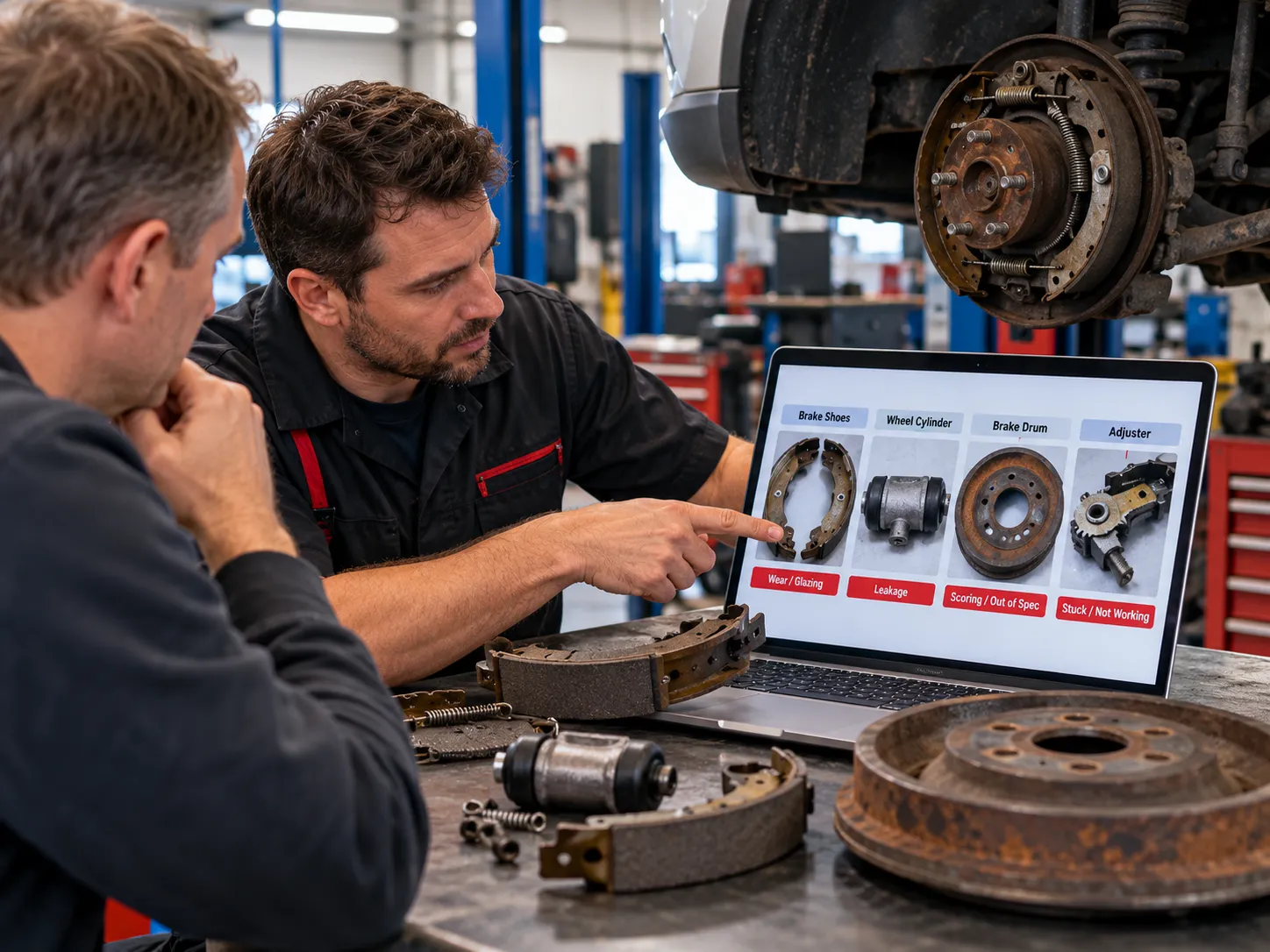
Drum brake issues
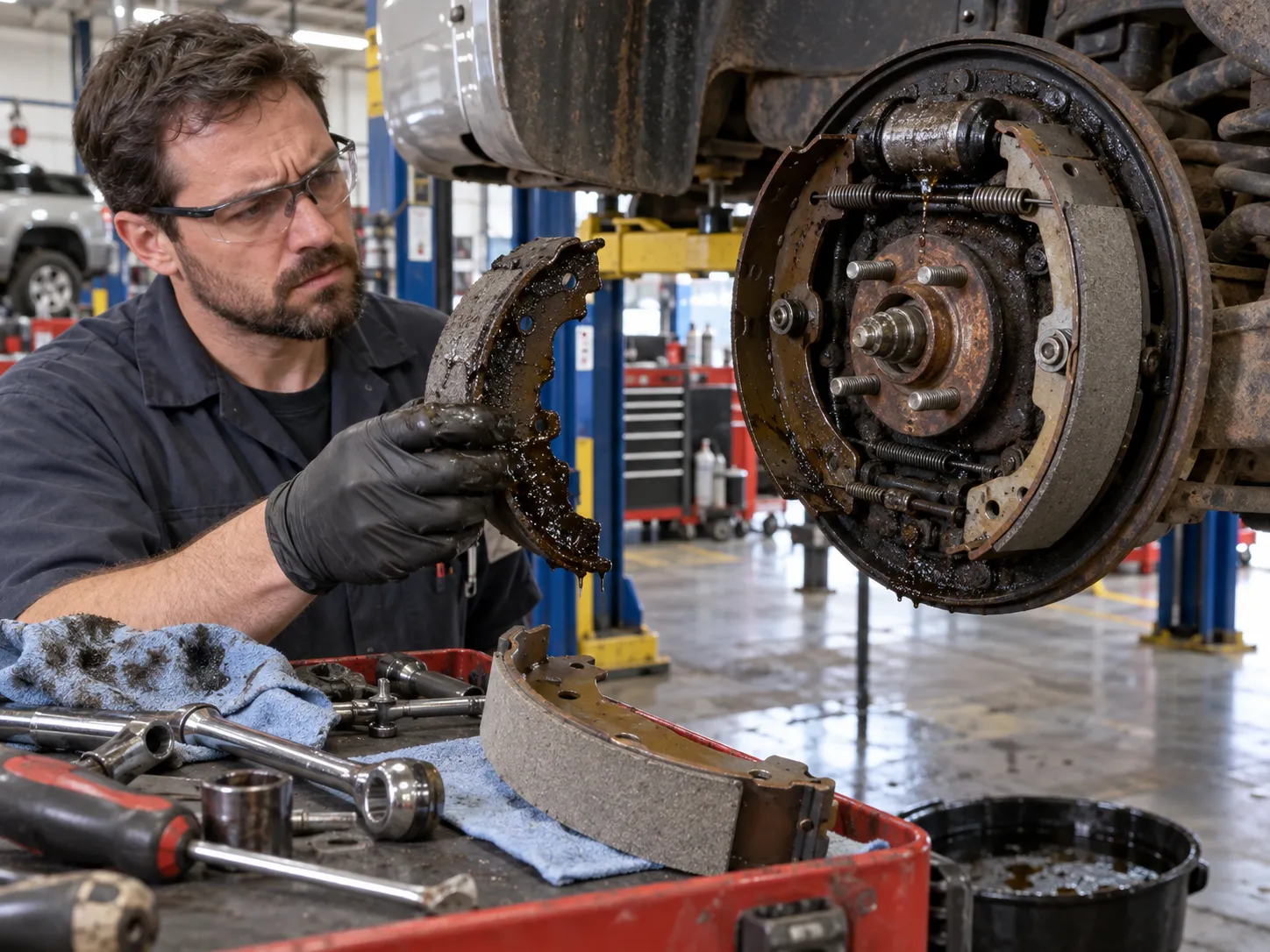
Contaminated shoe in an open drum brake

05

The Drum Brake Problem Comes Back

New brake shoes may quickly develop the same problem if the wheel cylinder, drum, adjuster or contamination source was not corrected.

Technician reviewing complaint photos

06

The Supplier Cannot Help Diagnose the Complaint

When the only answer is “our part has no problem,” the workshop still has a vehicle to repair.

That is not enough technical support.

Problem 01Wrong parts

Problem: The Vehicle Is on the Lift, but the Part Does Not Fit

Wrong brake parts create more than a return.

They interrupt the entire repair process.

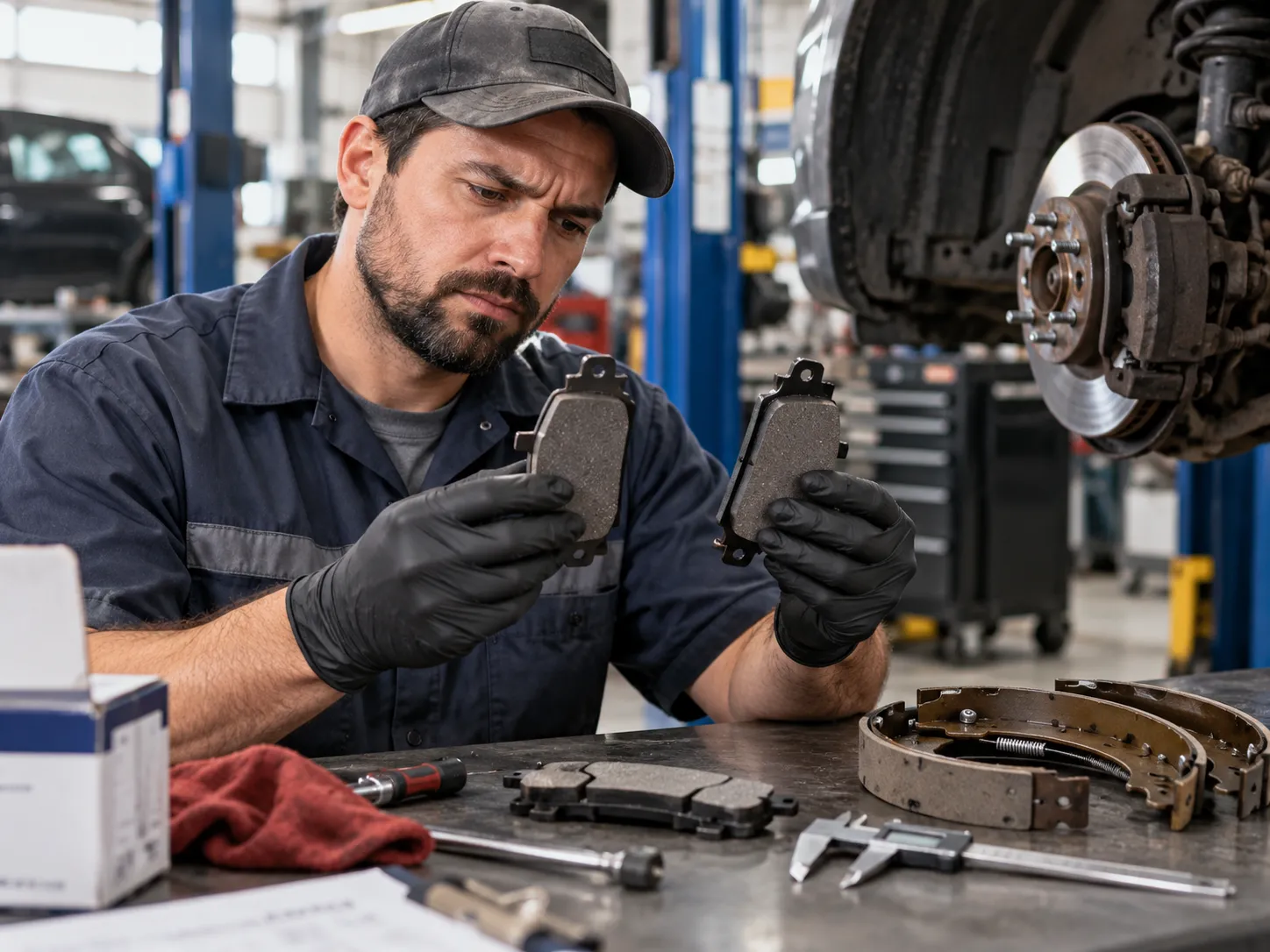
A technician may already have removed the wheel, caliper, rotor or drum before discovering that the replacement component does not match.

That turns a parts error into lost labor and workshop capacity.

Wrong pad comparison
Old part beside the replacement component with measuring tool

Why Similar-Looking Parts Can Still Be Wrong

Brake Pads

Two pads can appear similar but have differences in:

  • Backing-plate shape
  • Overall length
  • Height
  • Thickness
  • Hardware features
  • Sensor position

Brake Rotors

Two rotors may have similar diameter but different:

  • Overall height
  • Thickness
  • Center bore
  • Bolt pattern
  • Vent structure

Brake Shoes

Brake shoes may differ in:

  • Width
  • Radius
  • Spring holes
  • Anchor points
  • Parking-brake lever
  • Adjuster contact point

A

How Zhenlong Helps

We begin with the product information your workshop already has.

You can send:

  • Existing supplier reference
  • OE reference
  • Current box number
  • Product photos
  • Vehicle information
  • VIN
  • Critical dimensions

Our team reviews what is already available before asking for additional information.

B

We Focus on the Missing Information

If a rotor reference is uncertain, measurements such as diameter, thickness and overall height may help.

If a brake shoe is difficult to identify, width, radius and spring-hole configuration may be more useful than another general vehicle description.

This keeps the identification process focused.

Result

Correct identification before installation helps reduce lift downtime, emergency sourcing and repeated disassembly.

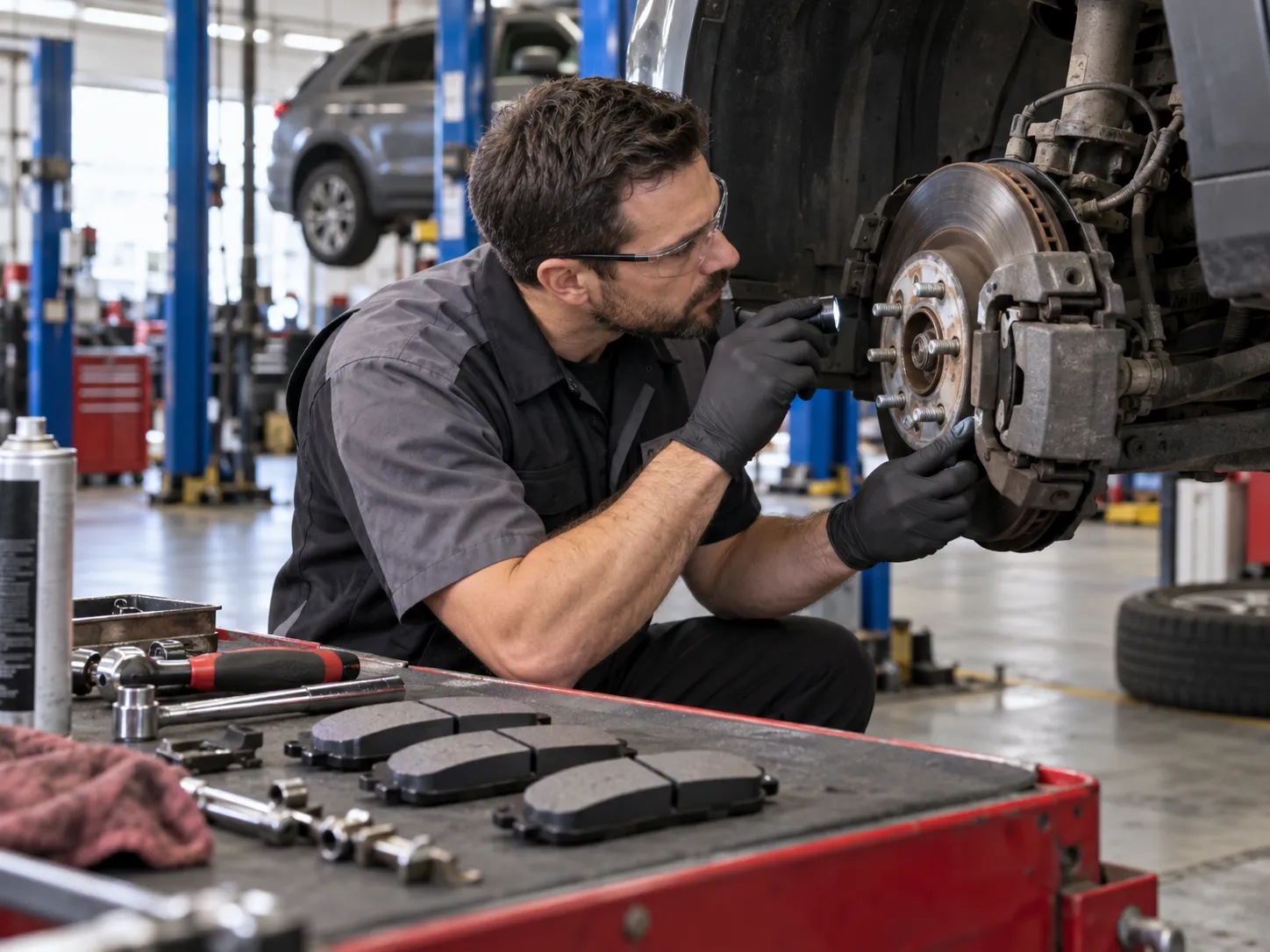
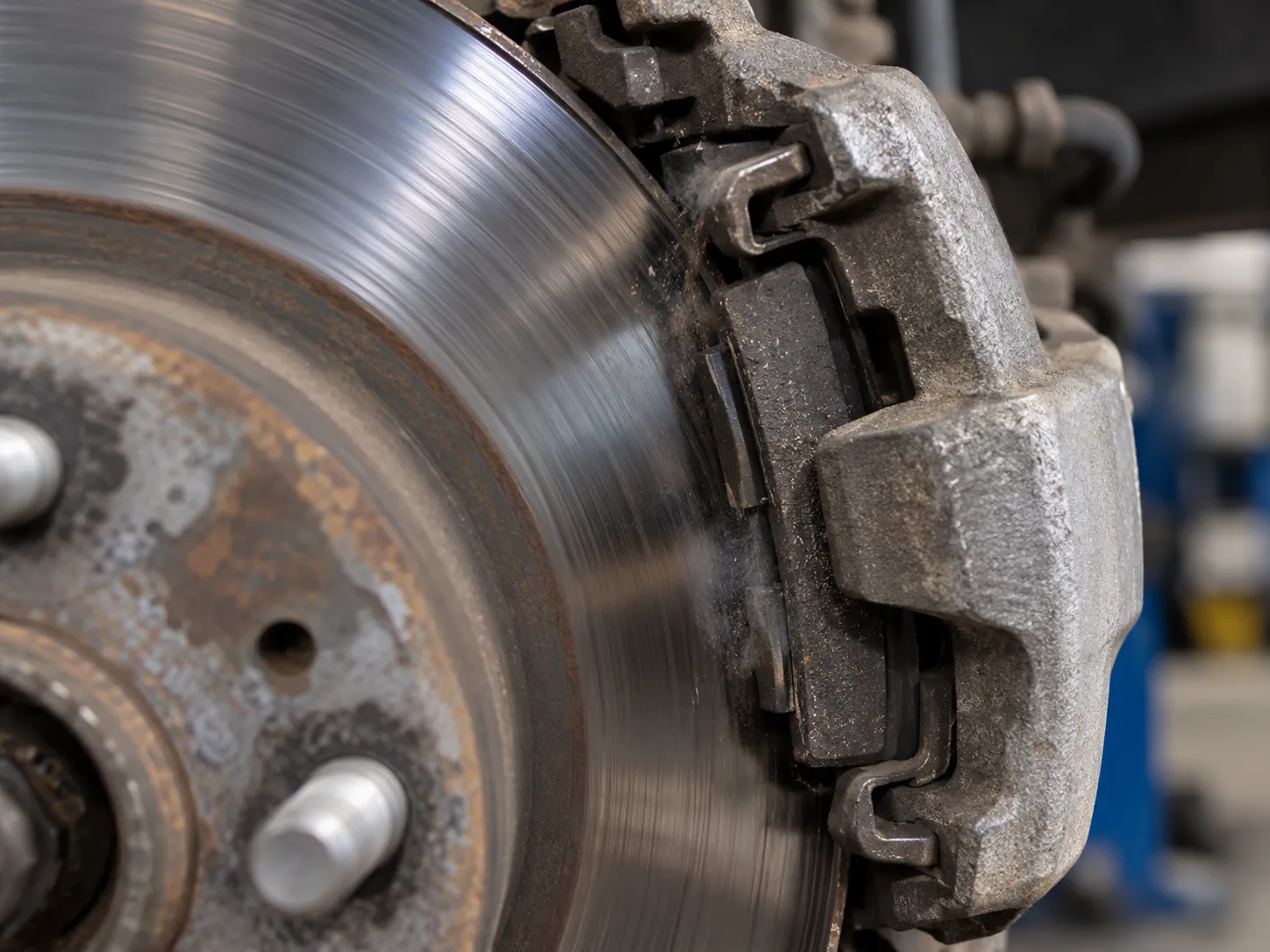
Inspection of brake pads, shims, and rotor surfaces
Pad, shim and rotor surface inspection

Problem 02Brake noise after replacement

Problem: New Brake Pads Are Installed, but the Customer Still Hears Noise

Brake noise is one of the easiest complaints to blame on the new pad.

It is also one of the easiest problems to oversimplify.

The friction material matters, but brake noise can involve the interaction between several components.

Possible Areas to Review

01

Friction Material

Different formulations can produce different noise, dust and braking characteristics.

02

Shim

The shim can influence vibration transmission between the pad and caliper.

03

Chamfer & Slot

Pad geometry can affect how the friction block contacts the rotor.

04

Hardware

Worn or incorrectly installed hardware may allow unwanted movement.

05

Rotor Surface

Grooves, uneven transfer or poor surface condition can influence the next pad set.

06

Bedding

An unstable friction interface can contribute to noise or inconsistent braking feel.

How Zhenlong Helps

When a customer reports brake noise, the useful question is not simply:

“Is the pad defective?”

We can help review:

  • Product reference
  • Pad structure
  • Shim configuration
  • Chamfer and slot
  • Wear pattern
  • Rotor surface photos
  • Installation information
  • Available video or sound evidence
Result

Brake noise should be reviewed as a system interaction, not automatically treated as a friction-material defect.

Problem 03Vibration after rotor replacement

Problem: The Rotor Was Replaced, but Brake Vibration Is Still There

A common workshop complaint sounds like this:

“The new rotor is warped.”

But vibration during braking does not automatically prove that the rotor itself has permanently deformed.

Several conditions can produce a similar symptom.

Possible Causes of Brake Vibration

  • Brake rotor runout
  • Disc Thickness Variation
  • Hub contamination
  • Uneven pad transfer
  • Incorrect wheel torque
  • Wheel-bearing condition
  • Caliper condition
  • Installation error

How Zhenlong Helps

Measure Instead of Guess

When the tools are available, measure the condition before replacing another component.

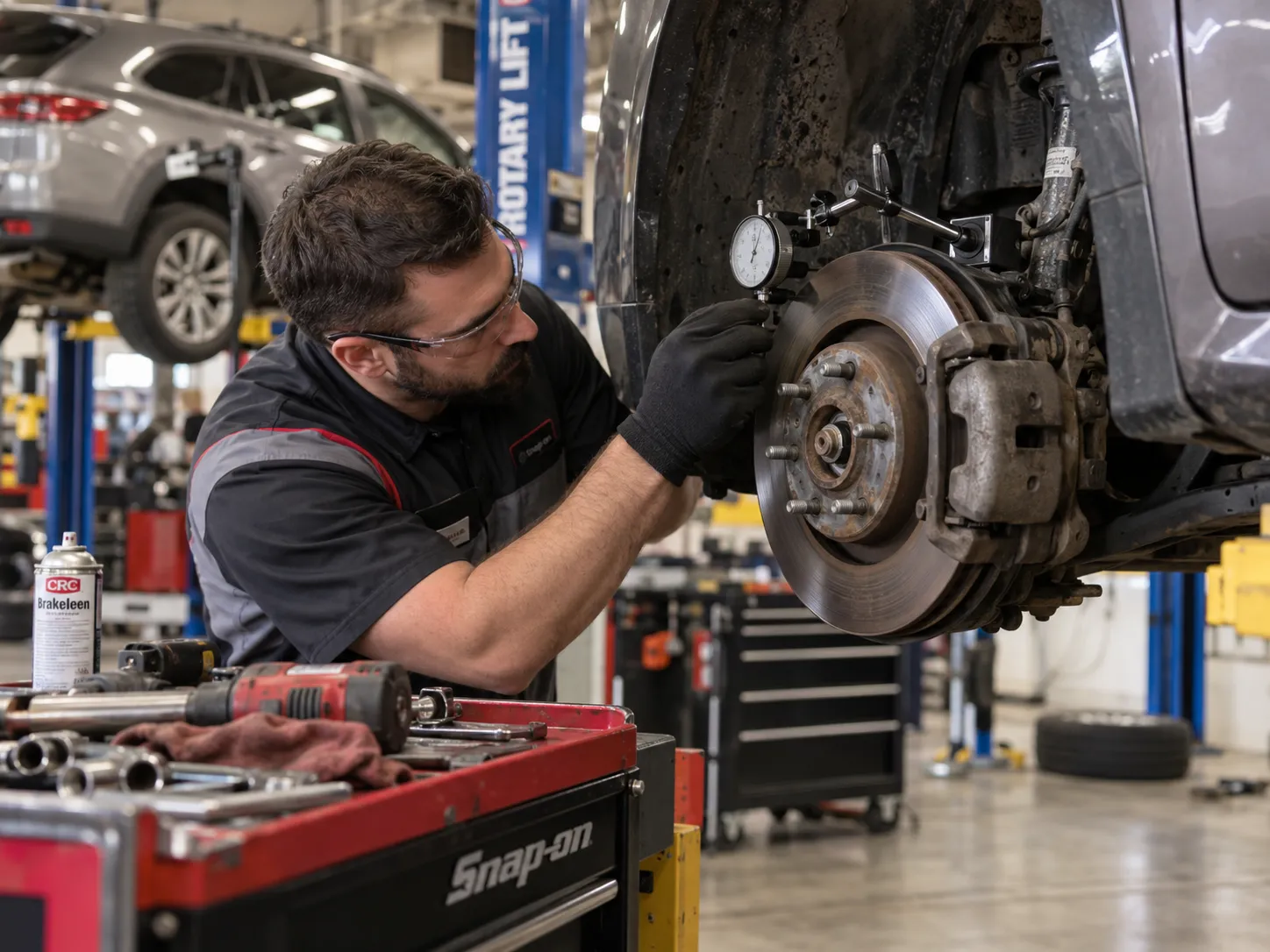
Check Brake Rotor Runout

Runout is the lateral movement of the rotor as it rotates.

Dial indicator measuring rotor runout

Check Disc Thickness Variation

DTV measures variation in rotor thickness around the disc.

It is not the same measurement as runout.

Micrometer measuring rotor thickness at multiple positions

Inspect the Hub Surface

Rust, dirt or debris between the hub and rotor can change how the rotor sits after installation.

That can create installed runout even when the new rotor itself is within specification.

Technician cleaning hub mounting face

Review Pad Transfer

Uneven friction-material transfer can also contribute to braking vibration.

Result

Before replacing another rotor, determine whether the problem comes from the rotor, the mounting condition or another part of the brake system.

Problem 04Uneven brake pad wear

Problem: One Brake Pad Wears Much Faster Than the Other

Uneven pad wear can be useful diagnostic evidence.

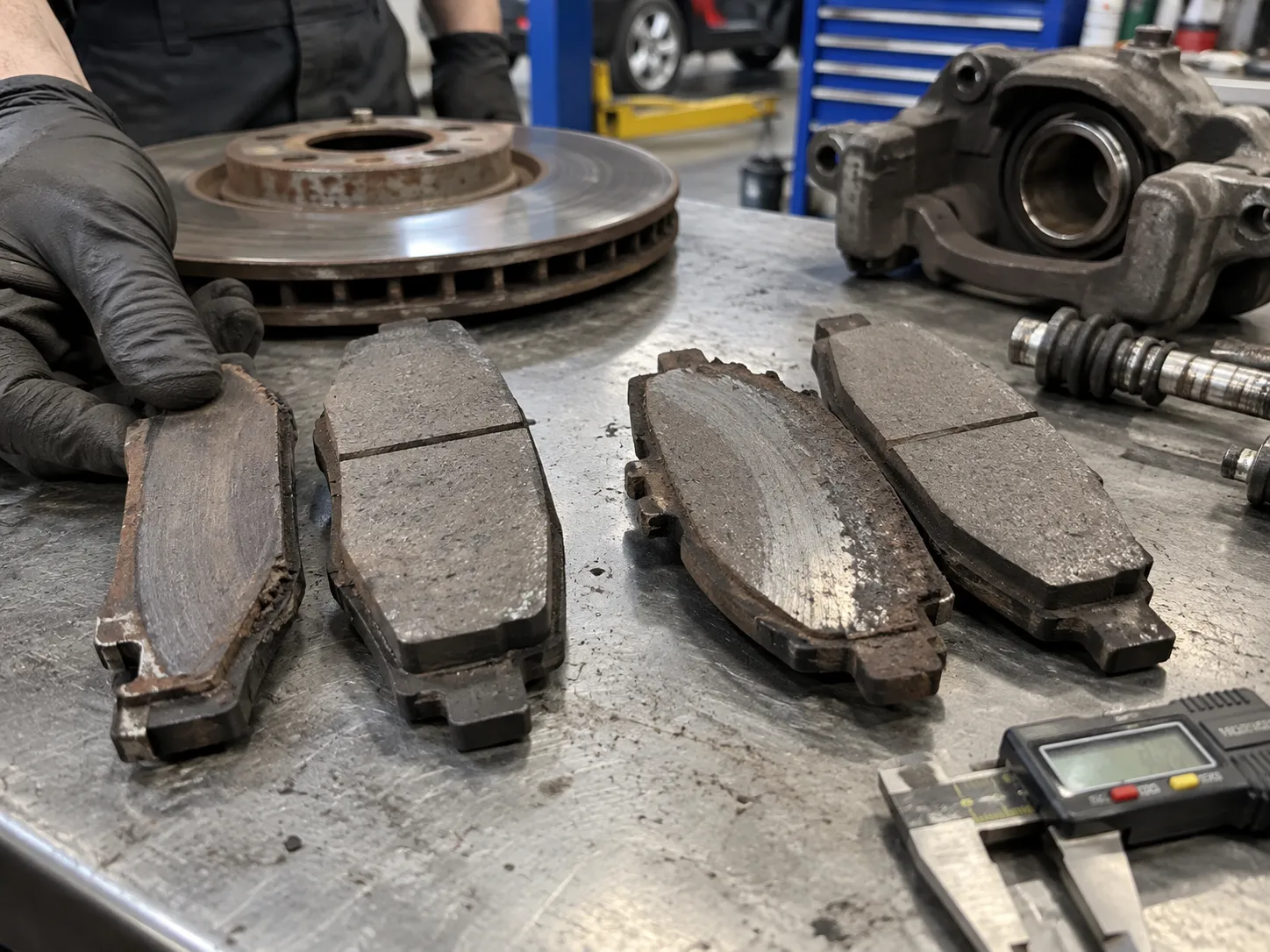
If the inner pad is nearly worn out while the outer pad still has significant friction material, installing another pad set without further inspection may only repeat the same wear pattern.

Uneven brake pad wear
Inner pad vs outer pad wear

What May Cause Uneven Brake Pad Wear?

Possible areas include:

Caliper Slide Movement

Restricted slide-pin movement can affect how the pads contact the rotor.

Caliper Piston

Poor piston movement can keep one side loaded longer than expected.

Hardware

Damaged, corroded or incorrectly installed hardware may restrict normal pad movement.

Rotor Condition

Surface or geometry problems can influence pad wear.

How Zhenlong Helps

If a workshop reports unusual wear, useful evidence includes:

  • Product reference
  • Inner and outer pad photos
  • Remaining friction thickness
  • Rotor condition
  • Caliper condition
  • Installation information

Our technical review can help distinguish a possible product issue from a brake-system condition that requires further workshop investigation.

Result

Do not install another pad set until the reason for the original wear pattern has been considered.

Problem 05Drum brake comebacks

Problem: New Brake Shoes Are Installed, but the Drum Brake Problem Returns

A brake shoe does not work alone.

It operates as part of a drum brake system.

That means replacing the shoes may not solve the repair if another part of the system created the original problem.

1

Problem: Brake Shoes Become Contaminated Again

A technician may install new shoes only to find them wet or contaminated later.

Possible Sources

  • Wheel-cylinder leakage
  • Axle-side oil leakage
  • Existing brake fluid
  • Lubricant contamination

How We Help

If the new shoe becomes contaminated, the first task should be identifying the source.

Installing another set without repairing the leak may repeat the same failure.

2

Problem: Brake Shoes Wear Unevenly

Review:

  • Wheel-cylinder movement
  • Adjuster
  • Shoe position
  • Springs
  • Drum condition
  • Parking-brake mechanism
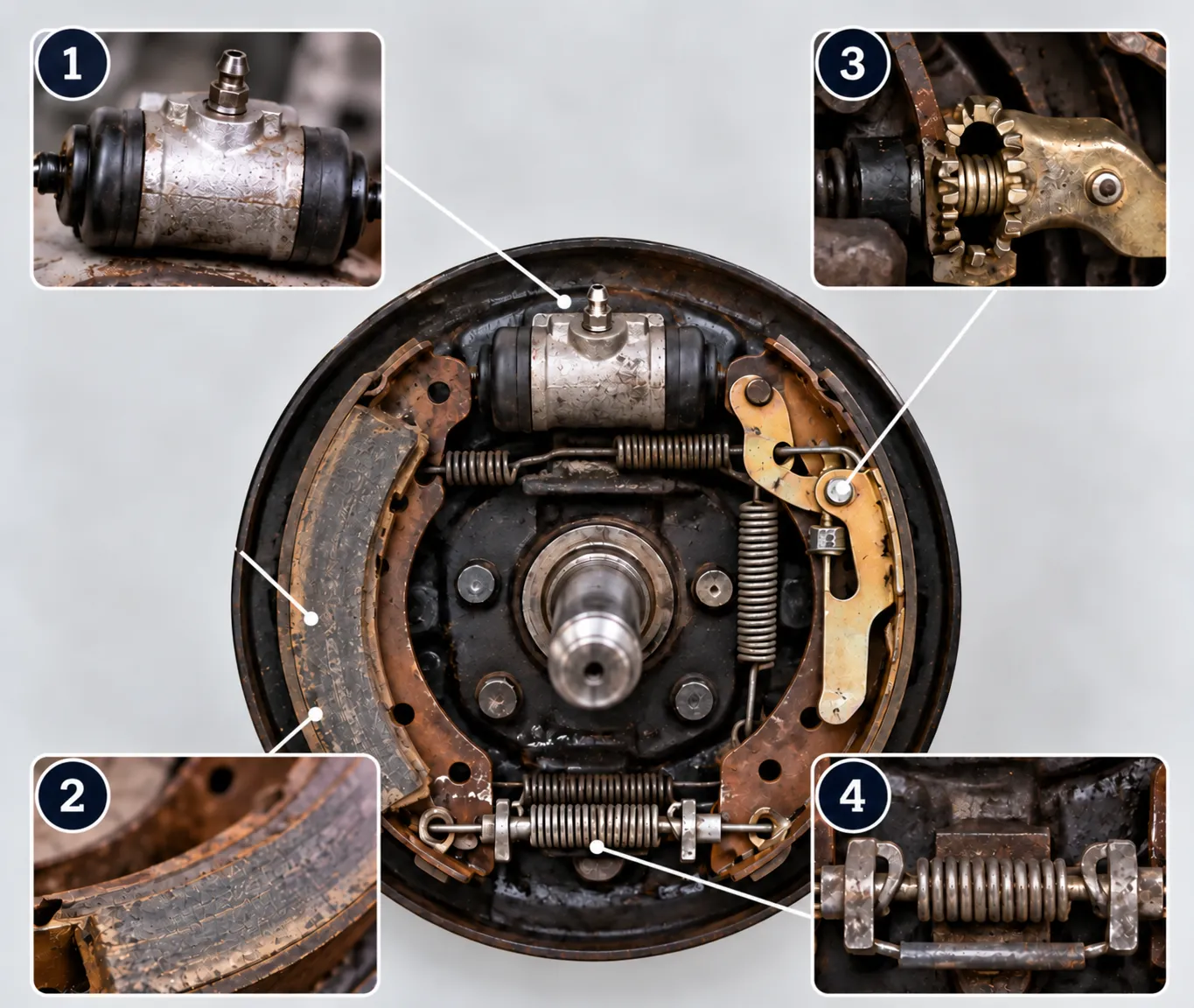
Open drum brake assembly
Open drum brake assembly Brake shoes · wheel cylinder · springs · adjuster
1 2 3 4

3

Problem: Parking Brake Is Weak

Possible areas include:

  • Shoe adjustment
  • Cable / mechanism movement
  • Drum clearance
  • Hardware condition
  • Shoe geometry

4

Problem: Long Pedal Travel

The technician may need to review shoe-to-drum clearance and adjuster operation in addition to hydraulic conditions.

Result

Treat the drum brake as a complete system. Fix the cause before installing another set of brake shoes.

Problem 06The supplier cannot help

Problem: Your Supplier Can Sell the Part but Cannot Help When Something Goes Wrong

The sale is easy when everything works.

The quality of supplier support becomes more visible when it does not.

A repair shop reporting noise, vibration or abnormal wear needs more than a short reply saying:

“We never had this problem before.”

The vehicle is still in the workshop.

The technician still needs an answer.

Technical review desk and workshop video call

How Zhenlong Reviews a Technical Complaint

  1. 1

    Step 1 — Confirm the Product Reference

    We first establish exactly which brake part is involved.

  2. 2

    Step 2 — Confirm the Vehicle / Application

    Application information helps provide context for the complaint.

  3. 3

    Step 3 — Review Photos and Video

    Images can help identify:

    • Wear pattern
    • Surface condition
    • Contamination
    • Installation position
    • Component damage
  4. 4

    Step 4 — Review Measurements

    Depending on the complaint:

    • Runout
    • Rotor thickness
    • Pad thickness
    • Shoe width
    • Other useful measurements

    may provide additional evidence.

  5. 5

    Step 5 — Understand the Installation

    Surrounding components and installation conditions can matter.

  6. 6

    Step 6 — Internal Review

    Where necessary, the case can involve:

    • Sales
    • Product team
    • Quality team
    • Technical team

The goal is not to win an argument. The goal is to find the cause.

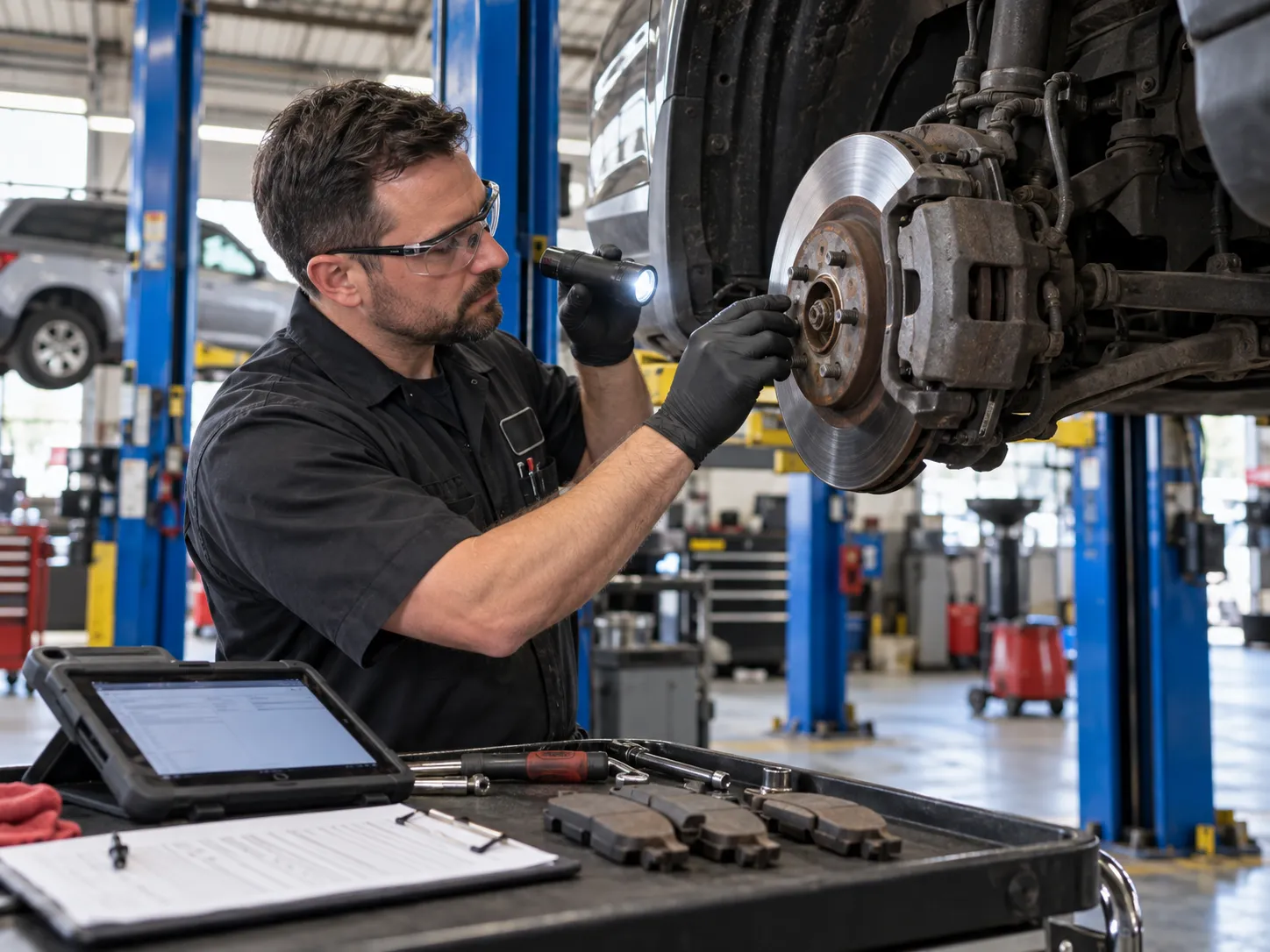
Same car back on the lift
Technician reinspection

Problem 07Too many comebacks

Problem: The Same Vehicle Occupies the Lift Twice

Comebacks hurt repair shops in several ways.

The customer may not pay for the second diagnosis.

The technician still has to spend time on it.

Another customer may lose that workshop slot.

And the shop’s reputation can be affected even if the original component was not the actual cause.

How We Help Reduce Avoidable Comebacks

1

Confirm the Part Before Installation

Reduce fitment errors before the technician begins reassembly.

2

Check the Surrounding System

A replaced brake component may only be one part of the original symptom.

3

Measure When Possible

Measurements give the workshop more evidence.

4

Use Product-Specific Quality Control

Pads, rotors and shoes are checked according to different product risks. See our brake parts quality control process.

5

Review Complaints With Evidence

Photos, measurements and product information create a stronger technical conversation.

A cheap brake part is not cheap if the same vehicle has to be repaired twice.

Problem 08Repeat ordering takes too long

Problem: Every Repeat Order Feels Like a New Order

A repair shop may successfully use a brake part for months.

When it is time to reorder, the buyer should not need to start the entire identification process again.

Repeatedly searching old boxes, photos and supplier messages creates unnecessary purchasing work.

Old order

Part identified, installed, confirmed

Confirmed reference

Kept with your business’s own reference

Repeat order

Only quantity or changes to confirm

Buyer checking old orders and spreadsheets
Old order to repeat order flow

How Zhenlong Helps

Reuse Confirmed References

Previously confirmed product references can provide the starting point for replenishment.

Keep Purchasing Information Clear

A successful item should remain connected to the reference used by your business.

Confirm Only What Changed

If quantity changes but the product does not, there is no reason to reconfirm unrelated specifications.

Mixed Brake Parts Purchasing

Brake pads, rotors and shoes can be discussed within one purchasing list rather than separate inquiries for every category.

Result

The second order should be easier than the first.

Problem 09Too many slow-moving parts

Problem: Too Many Brake Parts Are Sitting on the Shelf

More inventory does not automatically mean better repair-shop coverage.

If a workshop stocks too many low-frequency references, capital and shelf space become tied up in parts that may rarely be used.

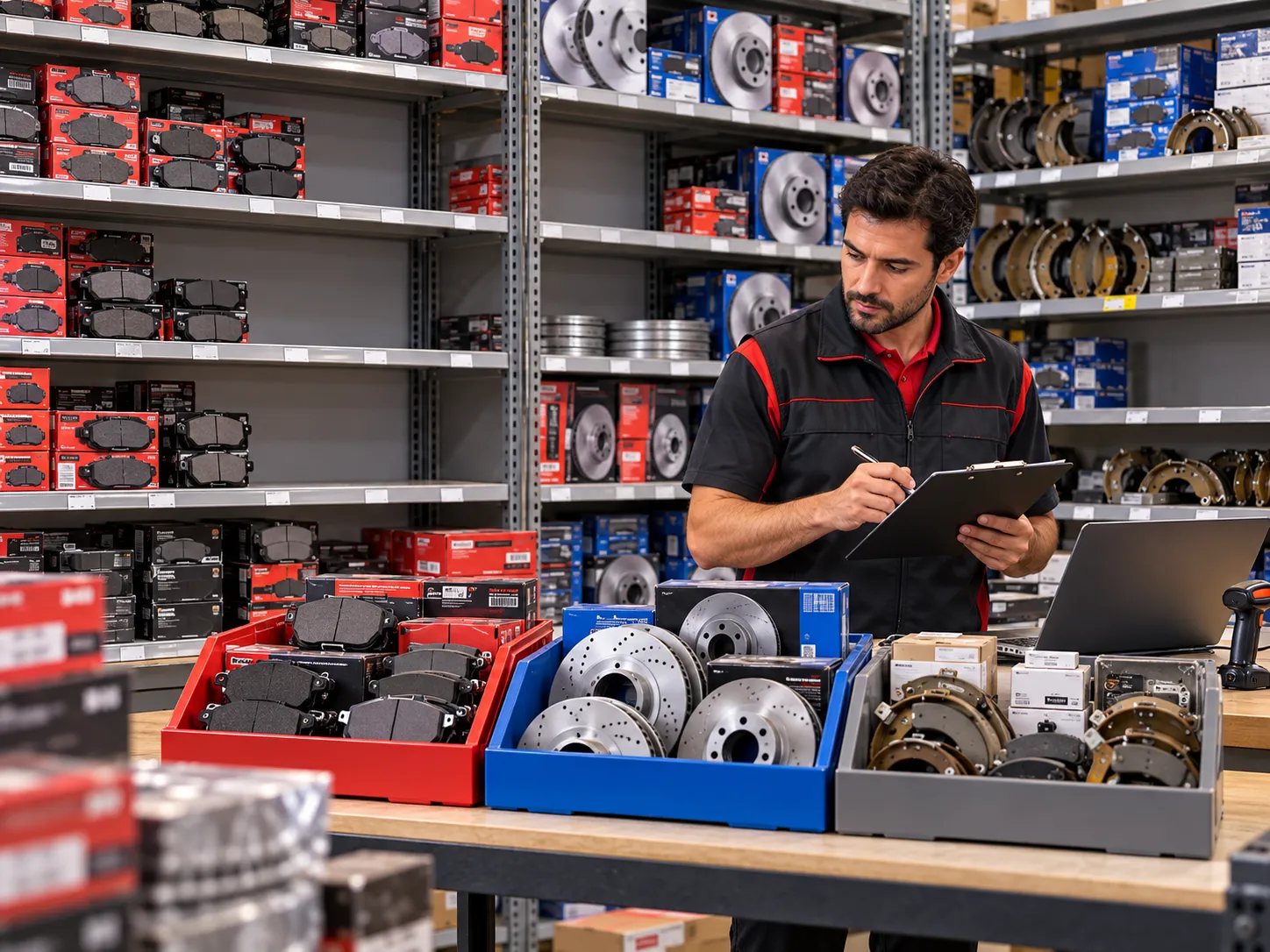
Large brake range with frequent stockouts
Organized workshop brake parts shelf

Common Inventory Problems

  • Slow-moving SKUs
  • Duplicate references
  • Too much stock of rare applications
  • Not enough stock of common applications
  • Unclear reorder priorities

How Zhenlong Helps

A

Start With Actual Workshop Demand

Purchasing can be based on the vehicles and brake jobs your business actually sees.

B

Identify Frequently Used References

Repeated workshop demand is more useful than filling every possible catalog position.

C

Separate Fast-Moving and Slow-Moving Parts

Not every reference requires the same stocking level.

D

Replenish Proven SKUs

Successful items can become part of a recurring purchasing list.

Result

Build brake parts inventory around workshop demand—not around catalog size.

Repair shop problem → Zhenlong solution

One Repair Shop Solution Built Around Real Brake-Service Problems

Repair Shop ProblemHow Zhenlong HelpsIntended Result
01Wrong brake partReference, photo and dimension reviewLess lift downtime
02Brake noisePad, rotor, shim and installation reviewBetter diagnosis
03Rotor vibrationRunout, DTV and hub-condition guidanceLess unnecessary replacement
04Uneven pad wearWear-pattern and system-condition reviewReduce repeat wear
05Drum brake comebackShoes + surrounding-system reviewFix the actual cause
06Technical complaintEvidence-based internal reviewFaster problem investigation
07Slow repeat orderingReuse confirmed referencesEasier replenishment
08Slow-moving inventoryDemand-based purchasing logicBetter stock efficiency

Our role is not simply to provide another part. Our role is to make brake parts easier for professional workshops to identify, install, troubleshoot and reorder.

Real repair shop cases

How These Problems Appear in Real Workshop Situations

REPAIR ORDERCASE 01

Maintenance personnel are addressing the brake disc vibration.
Technician using dial indicator

Case 01 — Brake Vibration After Rotor Replacement

The Problem

A vehicle continued to vibrate during braking after new rotors had been installed.

What Needed to Be Checked

Rotor runout, DTV, hub surface condition, torque and pad transfer.

What the Case Shows

A vibration complaint should not automatically be classified as a defective rotor before measurement.

REPAIR ORDERCASE 02

Brake pad noise
Technician reviewing pad and shim

Case 02 — Brake Squeal After Pad Replacement

The Problem

New brake pads were installed but low-speed brake squeal remained.

What Needed to Be Reviewed

Pad structure, shim, chamfer, hardware, rotor surface and installation.

What the Case Shows

Friction material is not the only factor controlling brake noise.

REPAIR ORDERCASE 03

Brake shoe contamination returns
Contaminated brake shoe and wheel cylinder inspection

Case 03 — Brake Shoe Contamination Returns

The Problem

Replacement brake shoes became contaminated after installation.

What Needed to Be Checked

Wheel-cylinder leakage, axle-side leakage and drum condition.

What the Case Shows

New friction material cannot solve an active fluid leak.

Technical resources for repair shops

Technical Guides Built Around Workshop Problems

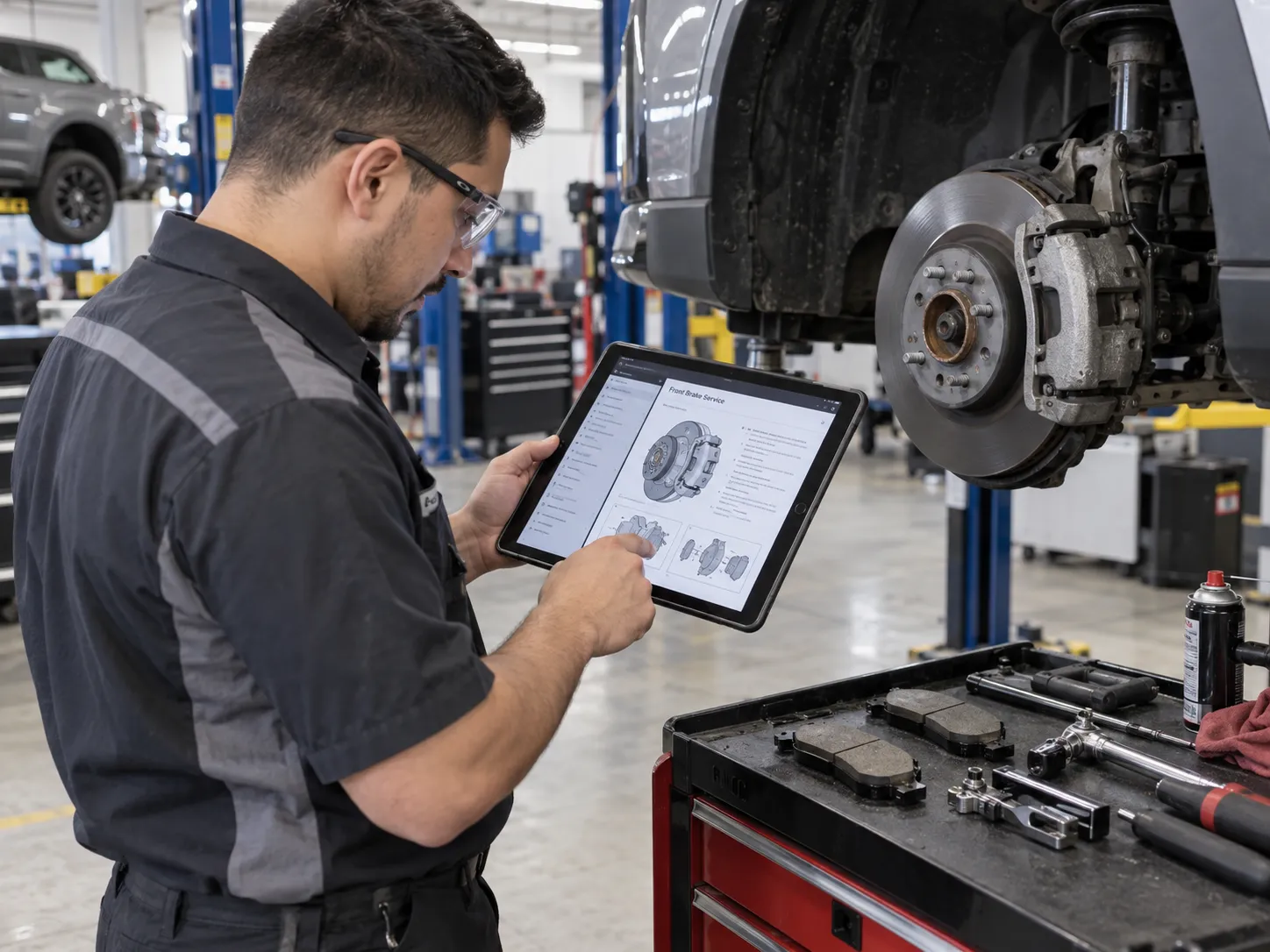
Our Brake Parts Knowledge Center gives repair businesses additional information for common brake-service questions.

Instead of organizing everything only by product, technicians can use the content according to the symptom or repair task.

Technician reading a guide on a tablet

Symptom

Brake Noise

Topics can include:

  • Brake pad materials
  • Shim
  • Chamfers
  • Hardware
  • NVH

Symptom

Brake Vibration

Topics can include:

  • Rotor runout
  • DTV
  • Hub contamination
  • Pad transfer
  • Brake judder

Symptom

Brake Pad Wear

Topics can include:

  • Uneven wear
  • Premature wear
  • Bedding
  • Rotor condition

Symptom

Drum Brake Problems

Topics can include:

  • Brake shoes
  • Wheel-cylinder leakage
  • Adjusters
  • Hardware
  • Contamination

Repair task

Installation

Topics can include:

  • Rotor installation
  • Pad bedding
  • Hub preparation
  • Brake-system checks
Brake pads, rotors and shoes
Technical team
Repair shop brake service

Why repair shops work with Zhenlong

Why Repair Shops Work With Zhenlong

Focused Brake Product Range

Our core product categories are:

This keeps our technical and quality focus concentrated on brake service.

Product Identification Support

We work from existing part numbers, OE references, photos, vehicle information and dimensions when needed.

Practical Technical Review

When a complaint happens, we prefer evidence and measurements over immediate assumptions.

Repeat Supply Support

Once successful references have been confirmed, later purchasing should become easier.

FAQ

Repair Shop Brake Parts FAQ

Still have a question? Contact our brake parts team.

Brake noise can involve more than friction material. Shim, hardware, rotor surface, contact points, pad movement and bedding can all influence noise. The complete brake assembly should be reviewed before assuming that the new pad itself is defective.

Possible causes include rotor runout, DTV, hub contamination, uneven pad transfer, incorrect torque, bearing condition or installation. Measuring the rotor and checking the mounting surface can provide more useful evidence than immediately replacing the disc.

Possible causes include restricted caliper-slide movement, piston problems, hardware condition, rotor condition or installation. The wear pattern should be investigated before installing another set of pads.

A leaking wheel cylinder or axle-side oil leak can contaminate the new lining. The source of the fluid should be repaired before another brake shoe set is installed.

Photos can be useful, especially when combined with an existing part number, vehicle information or measurements. Some similar-looking brake parts still require dimensional confirmation.

Useful information includes the product reference, vehicle details, photos, video, wear pattern, measurements and installation information.

If the previously supplied reference has been successfully confirmed and nothing has changed, the earlier order information can provide the basis for repeat purchasing.

Yes. Professional repair businesses can send mixed brake parts requirements in the same purchasing list.

Send us what you have

Have a Brake Problem or a Parts List?

You do not need to begin by searching hundreds of products on our website.

If your repair shop is dealing with a fitment problem, brake noise, vibration, uneven wear, drum brake complaint or regular brake parts purchasing, send us the information you already have.

Send Us

  • Part numbers
  • OE references
  • Vehicle information
  • Photos
  • Videos
  • Measurements
  • Purchasing lists
  • Required quantities

Our team can review the information and determine what is needed next.

Correct Parts. Better Diagnosis. Fewer Repeat Repairs.

Zhenlong supports professional repair shops with brake pads, brake rotors and brake shoes—and with the product information and technical support needed when a brake job does not go as expected.

topbrakeparts.com

Drag & Drop Files, Choose Files to Upload You can upload up to 10 files.