What Is the Difference Between Brake Pads and Brake Shoes?
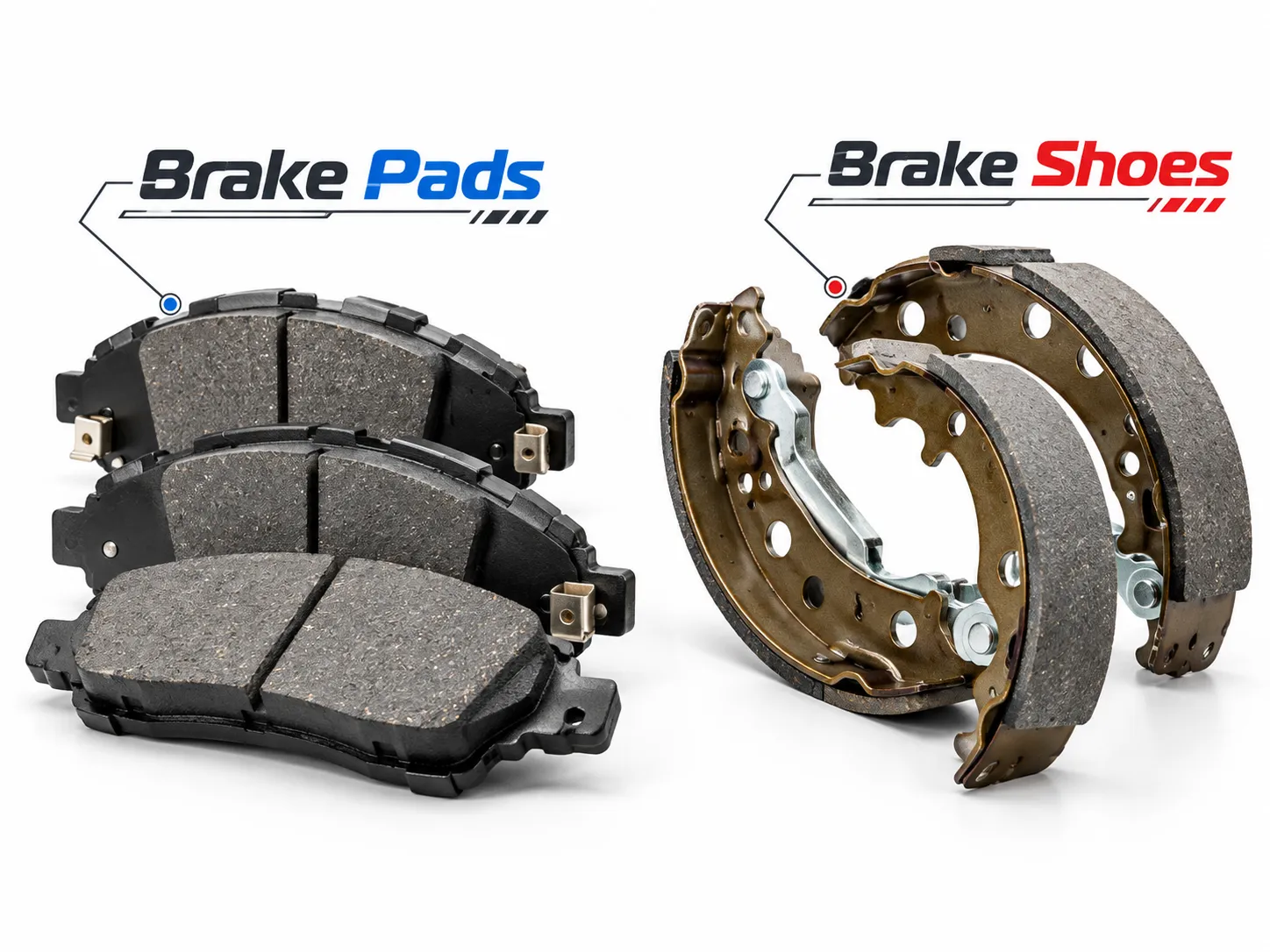
A car that needs rear shoes will not accept rear pads. The ten differences that actually separate disc brake pads from drum brake shoes — geometry, heat, wear, cost and fitment — plus how to verify OE numbers, FMSI codes, lining attachment and shear strength before a bulk order.
Economy vs Premium vs OE-Equivalent Brake Pads: How Distributors Choose the Right Grade
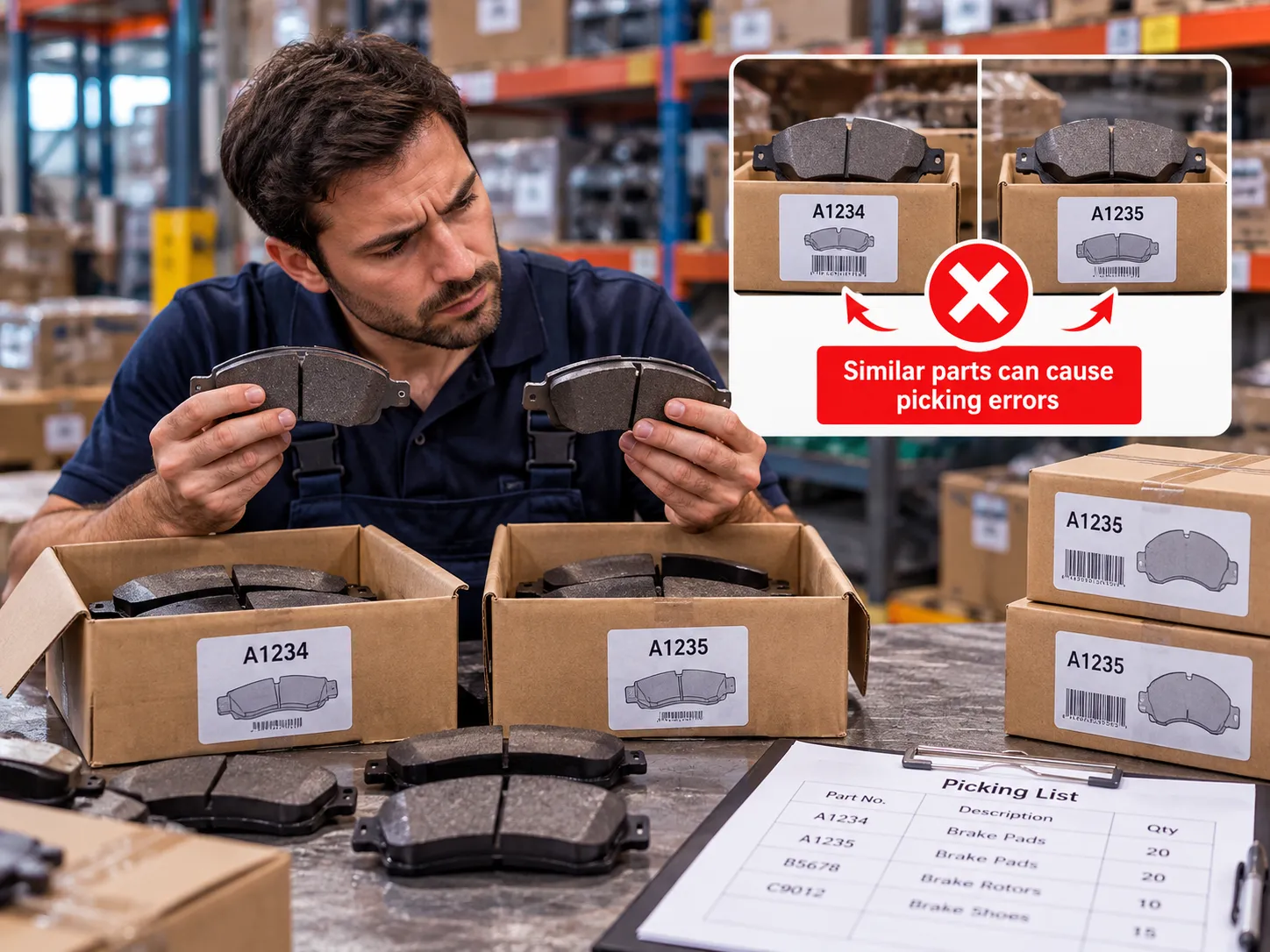
A cheap pad that comes back costs more than a premium pad that does not. How economy, premium and OE-equivalent brake pads really differ, what each grade does to landed cost, margin and warranty claims, and how to verify the grade before a bulk order.
What Are Low-Metallic Brake Pads? Pros, Cons & Best Uses
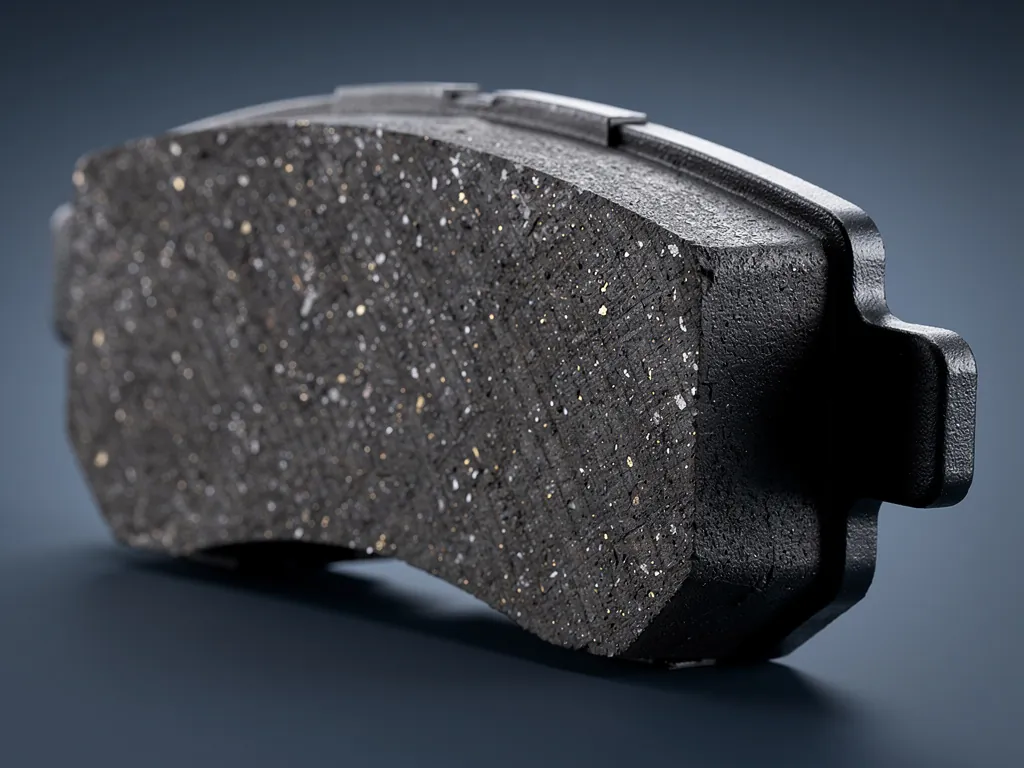
A low-metallic pad carries less steel than a semi-metallic one, yet runs a higher friction level of about μ 0.38–0.50. That one fact explains its strong bite and fade resistance, its heavy wheel dust and rotor wear, and which part numbers should stay low-metallic.

Top 10 Brake Shoe Manufacturers in China (2026 B2B Buyer’s Guide)
There is no official ranking of Chinese brake shoe makers, so we built one from evidence a buyer can check: two listed companies, four from the industry association top 20 and four specialists with published shoe capacity. Plus the companies we left out, and why.
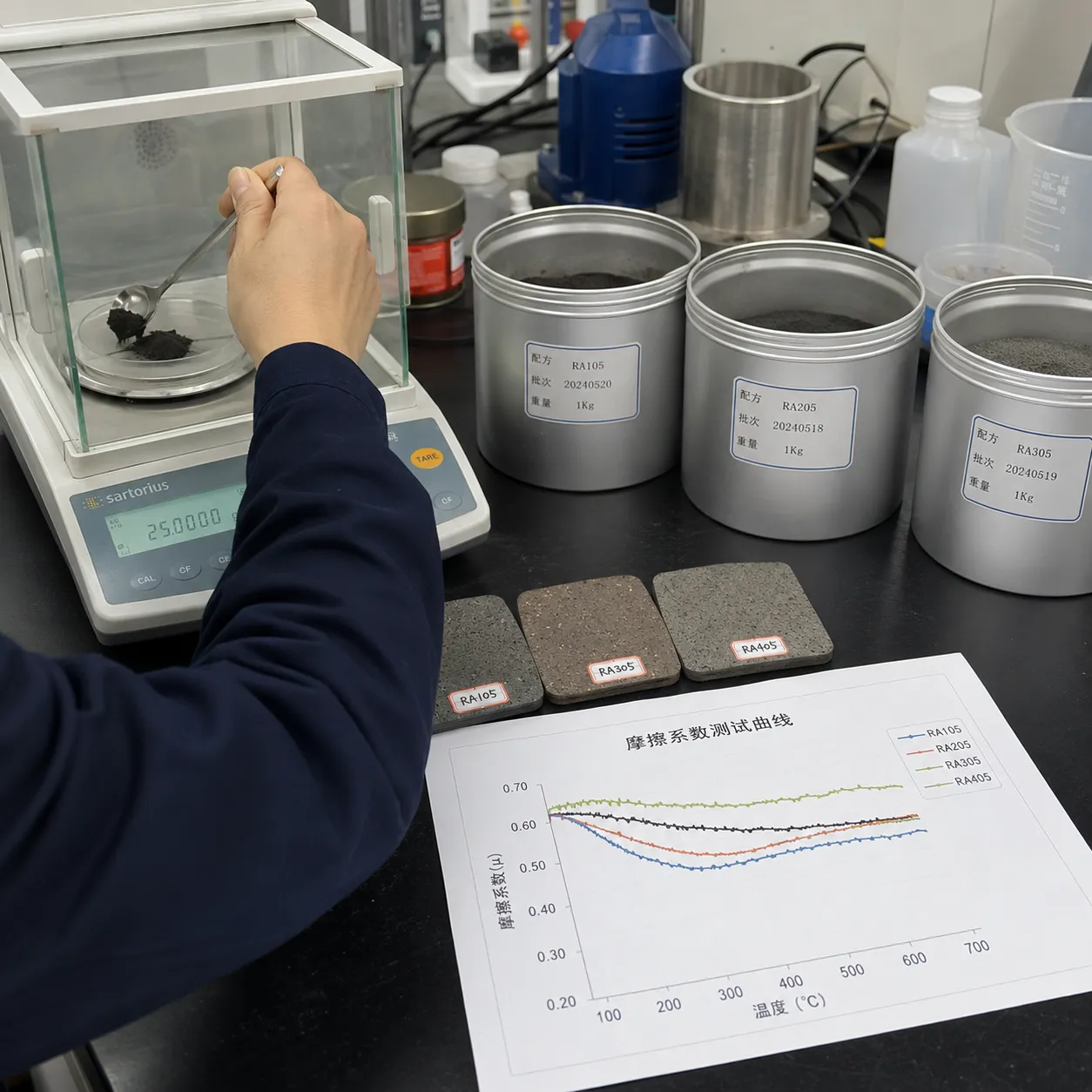
How to Verify a Chinese Brake Pad Manufacturer
A certificate scan, a factory video and a good sample can all come from the wrong company. Seven checks, each tied to an official registry, a certificate database or a batch record, show whether a Chinese brake pad manufacturer is what it claims to be.
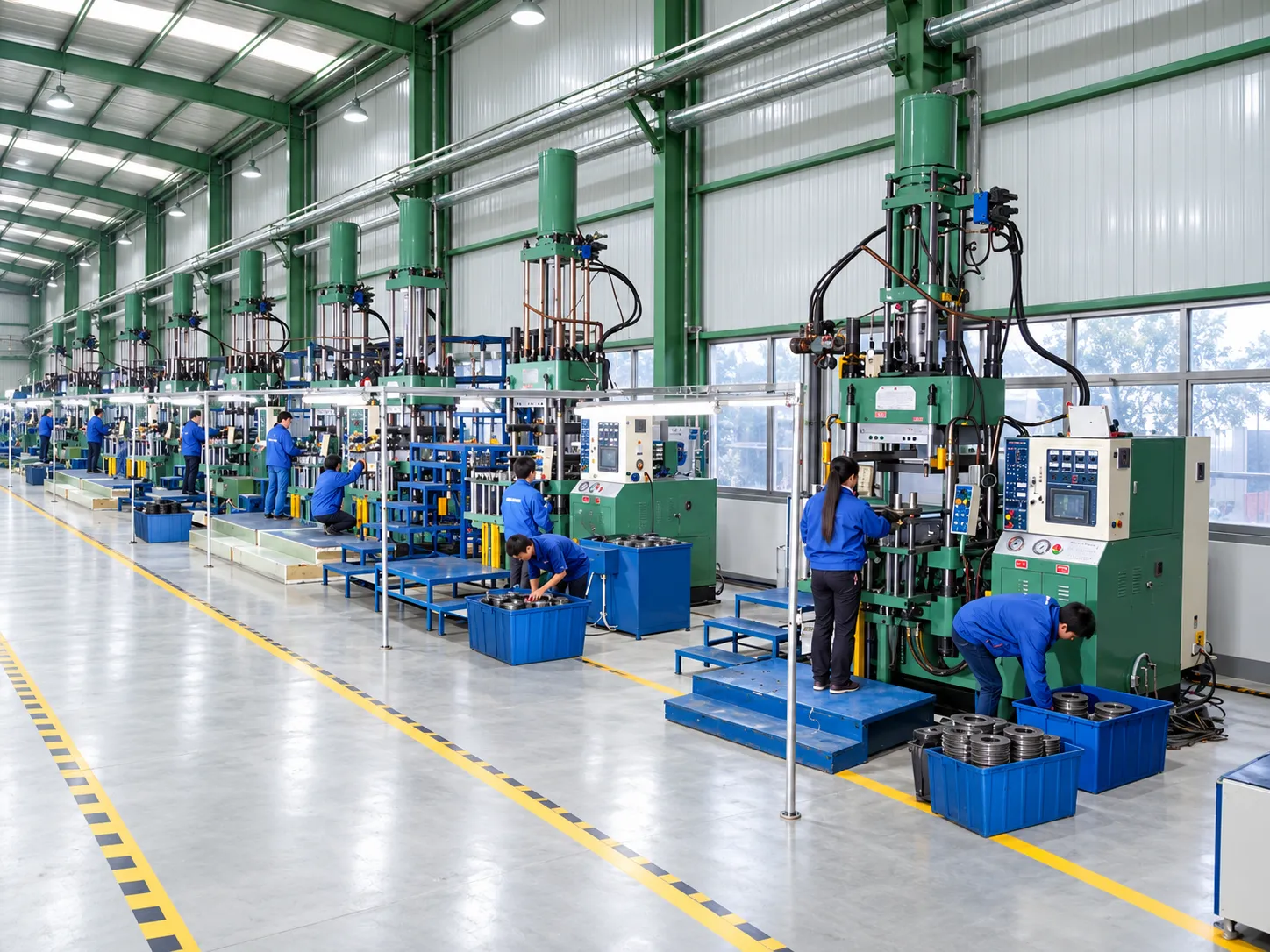
Top 10 Brake Pad Manufacturers in China (2026 B2B Buyer’s Guide)
We read at least two official pages for each of 20 Chinese brake manufacturers and kept the ten whose facts held up. Base, scale, products, certificates and published MOQ for each, linked to the source and checked in October 2026.
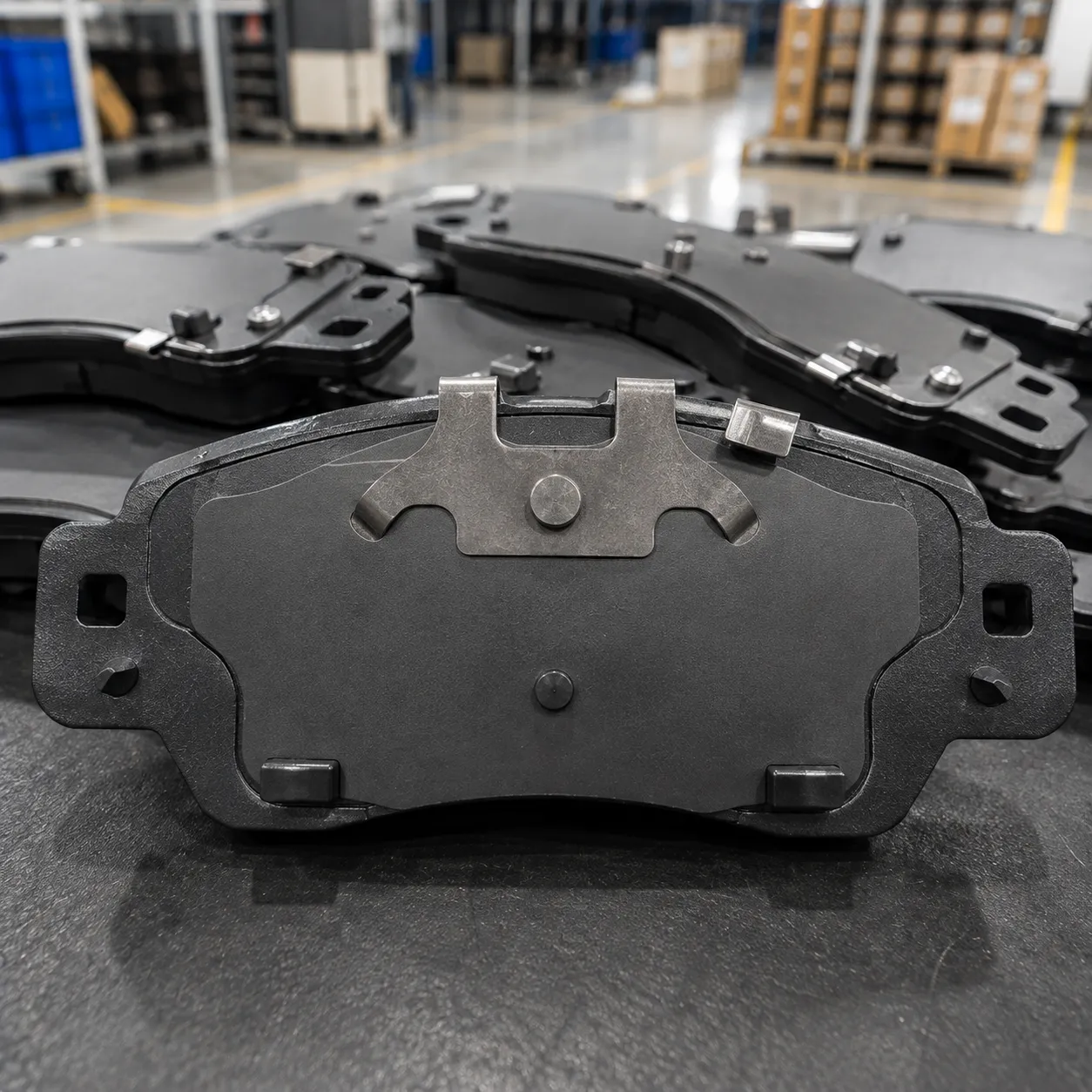
What Do Brake Pad Shims Do? Types, Materials & How They Reduce Noise
A pad with the right friction and the wrong shim still squeals. What brake pad shims actually do, which types and materials matter, how they fail, and the checks repair shops and parts buyers should run before a pad goes on the car.
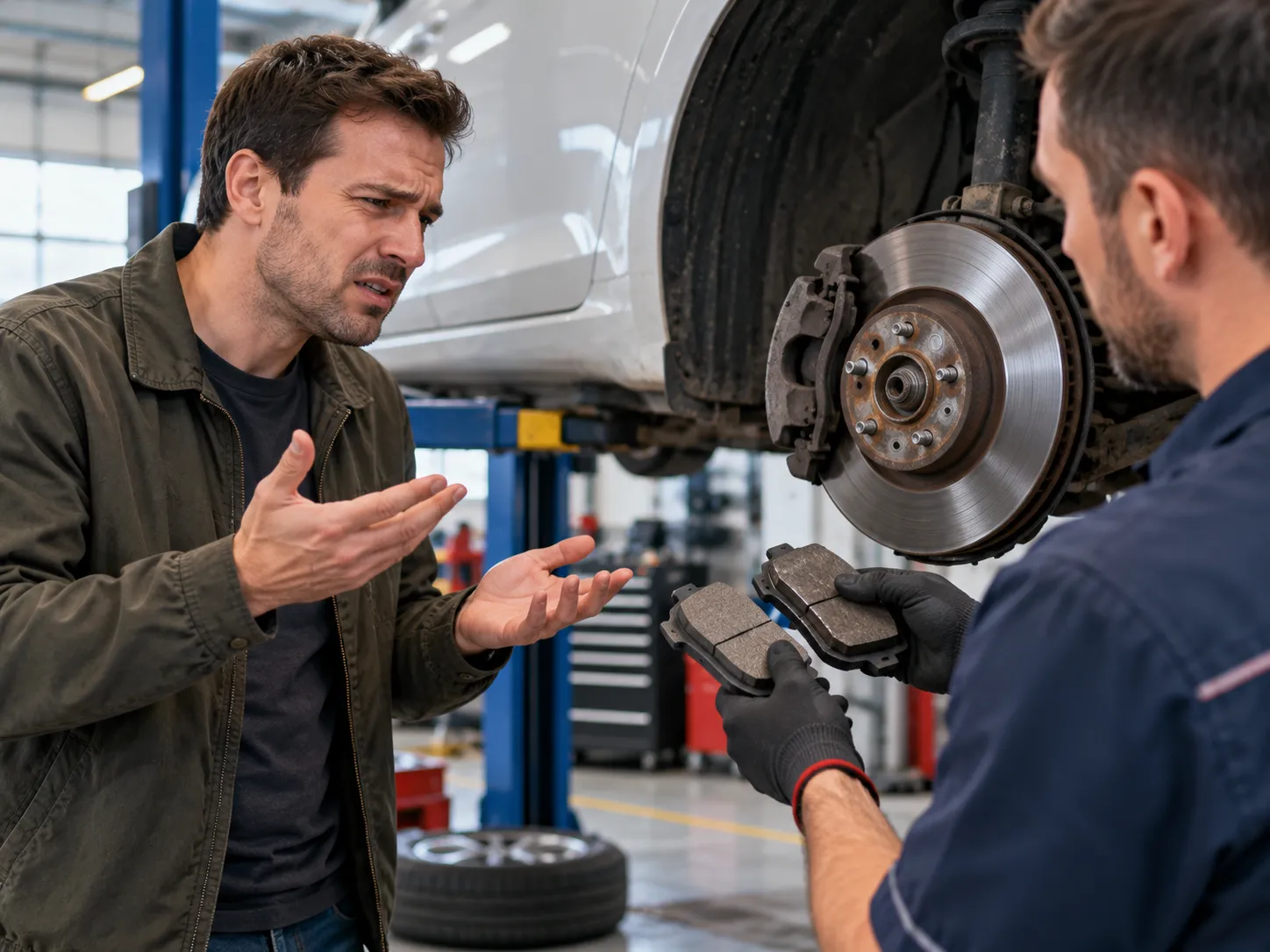
5 Causes of Brake Squeal and Their Solutions
Most brake squeal comebacks start outside the friction compound—in a lifted shim, a glazed rotor or a dry slide pin. How repair shops find which of the five causes it is before they order another set of pads.
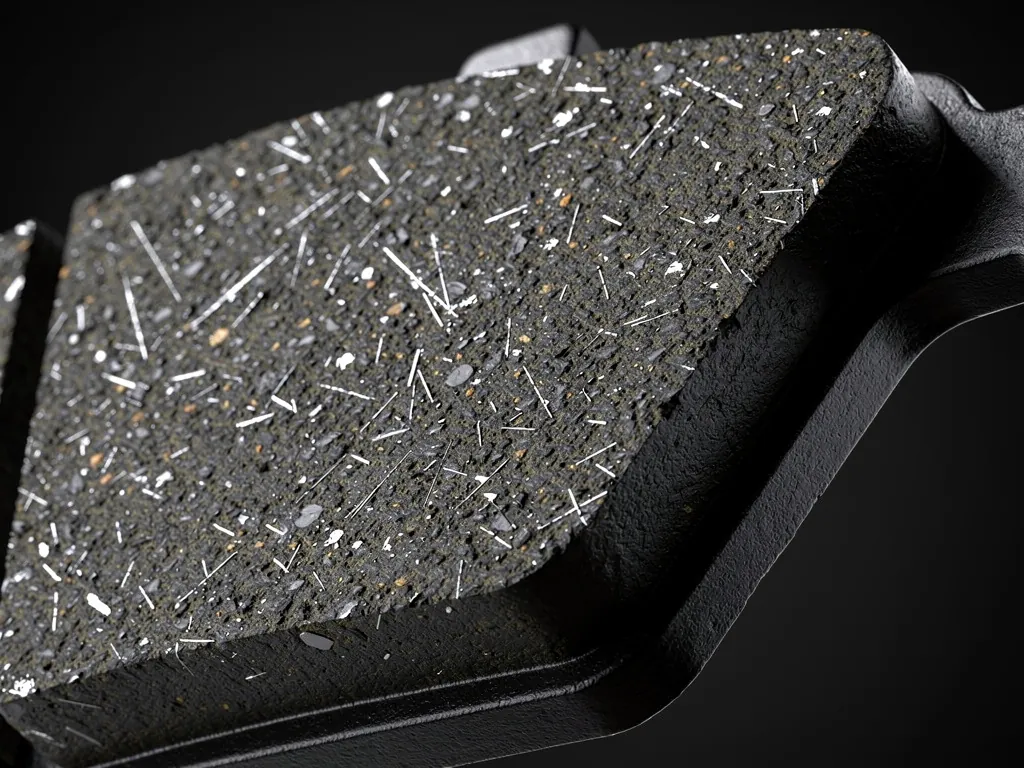
What Are Semi-Metallic Brake Pads? Pros, Cons & Best Uses
What are semi-metallic brake pads? Metal-rich pads that trade clean wheels for bite and heat capacity — a strong fit for SUVs, pickups and fleets when noise, dust and rotor wear are kept under control.
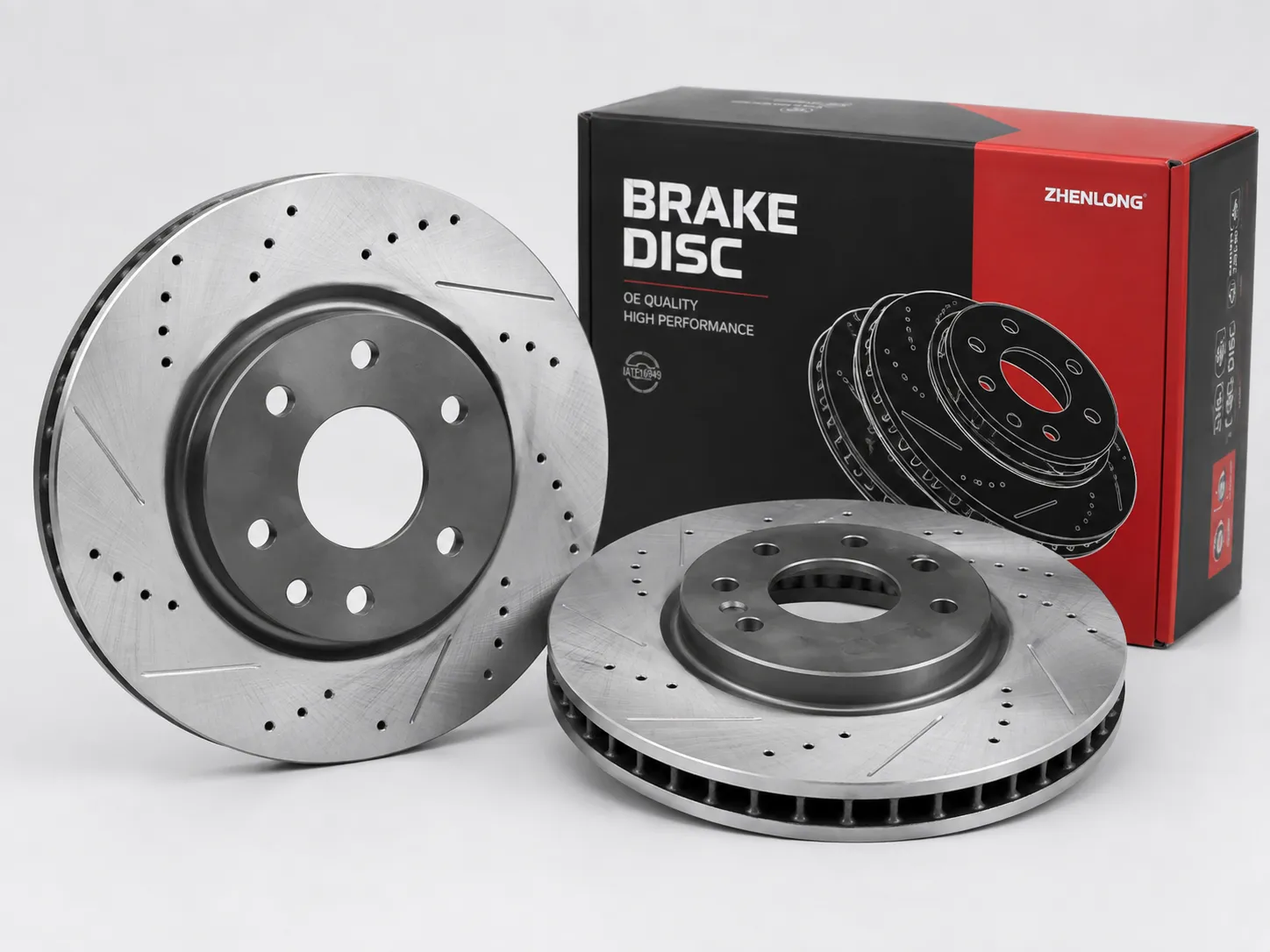
What Is a Brake Rotor? Parts, Types & How It Works
What is a brake rotor doing when the pedal pulses? Most rotor comebacks trace back to runout, thickness variation or the wrong replacement — learn how brake rotors work and which dimensions decide fitment.
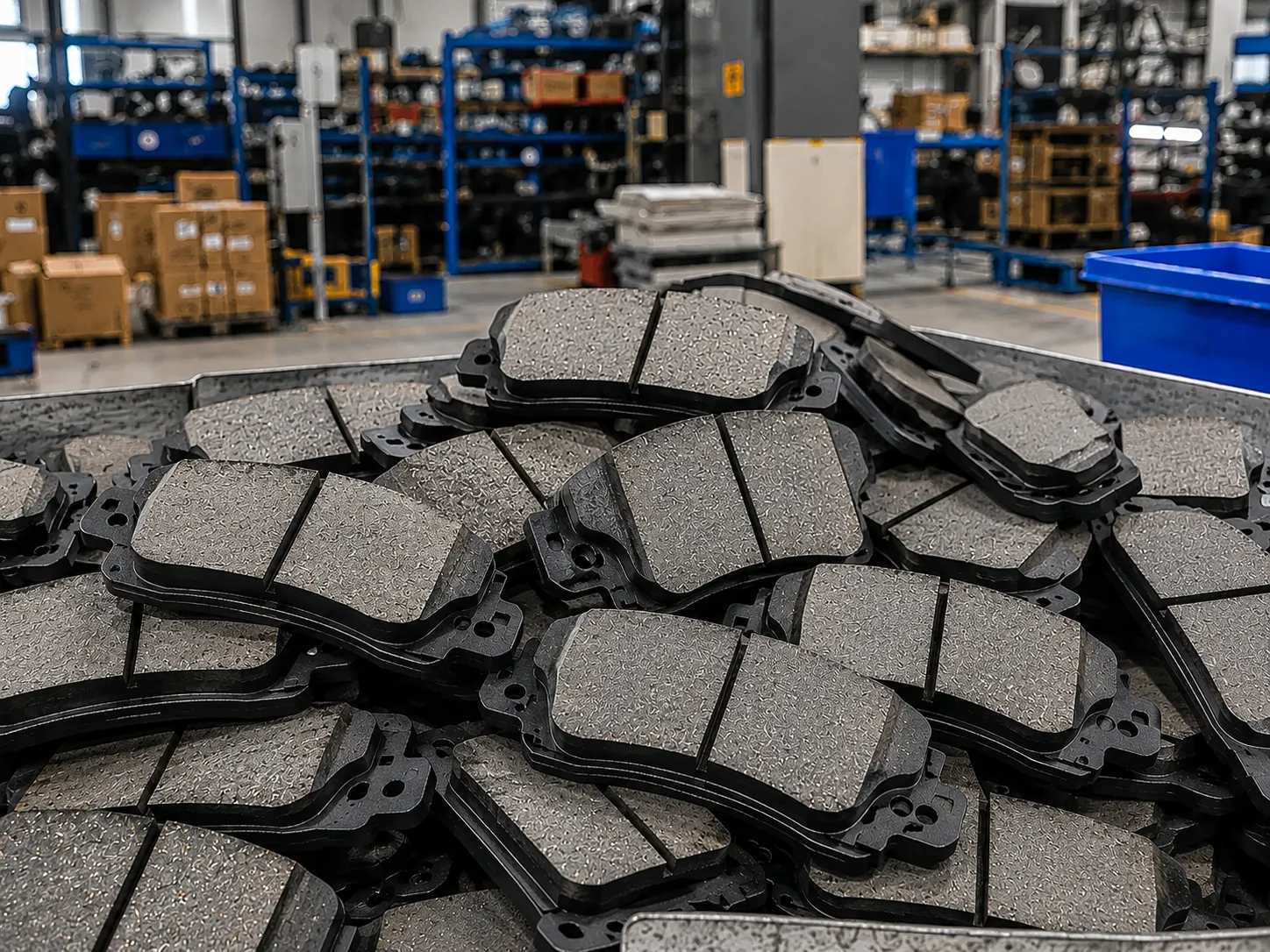
Are Ceramic Brake Pads Good? Pros, Cons & Best Uses
Are ceramic brake pads good? For most commuter cars and crossovers, yes — quiet, clean and smooth — but not for frequent towing or repeated hard braking. See where ceramic brake pads work and how to spot a good one.
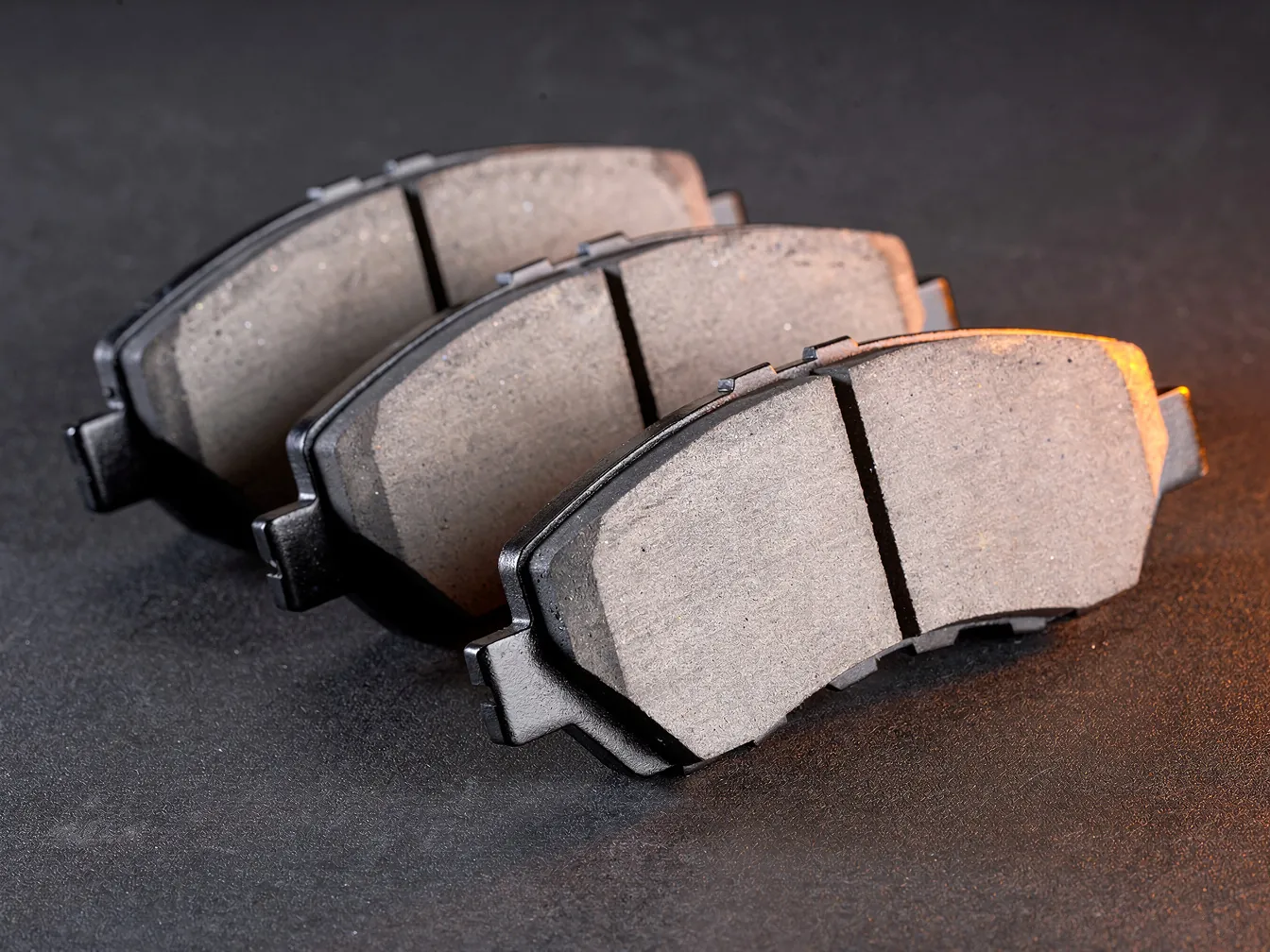
What Are Brake Pads? Types, Materials, Parts & How They Work
What are brake pads, and why can two pads with the same outline carry different part numbers, friction codes and shims? See how brake pads work, what they are made of and how to order the right set.
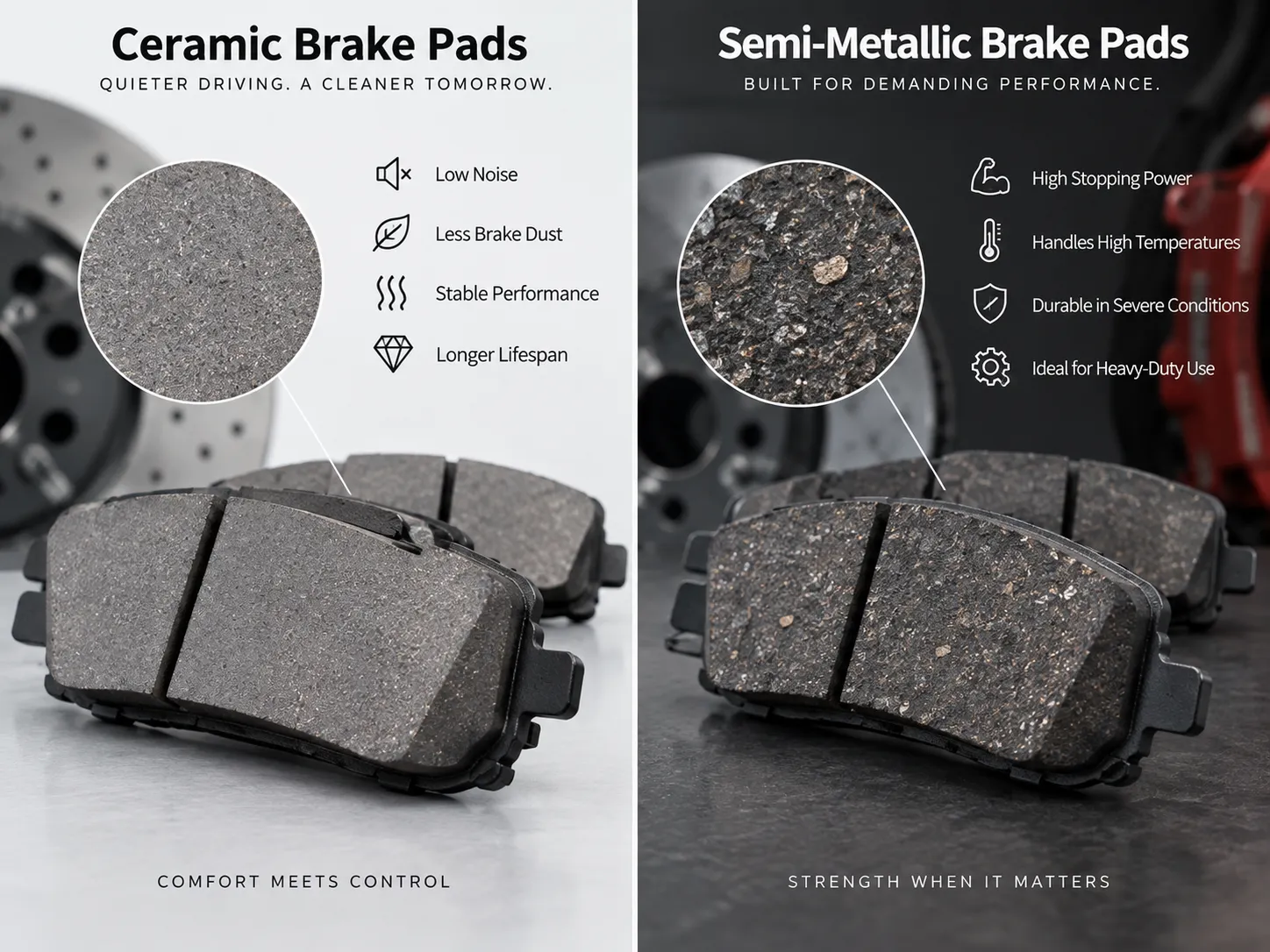
Ceramic vs Semi-Metallic Brake Pads: 8 Key Differences
Ceramic vs semi-metallic brake pads compared on 8 points: friction material, feel, noise, dust, heat, rotor wear, applications and cost, for B2B buyers.